MoonSymbolism & influence in astrology

Family
Luminary
Revolution
27.3 days
Domicile
Cancer
Definition
In astrology, Moon is a luminary planet whose symbolic function is linked to receive, to feel, to memorise, to protect, to seek affective security and to maintain inner continuity. Its domicile is in Cancer.
Moon in astrology is much more than a mere celestial body in your natal chart. What is its essential function? How do you interpret it in each sign and each house? This encyclopedic guide to Moon gives you the keys to understanding its symbolism, its major aspects and its concrete influence in your life.
What is the archetype of Moon in astrology?
"The Moon represents the inner life, sensitivity, memory, affective needs and the way of reacting instinctively. In astrology, it symbolises the emotional world, the link to the past, to the mother, to the home and to everything that nourishes, protects or envelops."
Symbol
The crescent, the cup, the nocturnal star
Principle
Receptivity, memory, inwardness, fertility
Polarity
Feminine
Element
Water
Quality
Cardinal (via Cancer)
Domicile
Cancer
Exaltation
Taurus
Exile
Capricorn
Fall
Scorpio
The logic of dignities
In Cancer, the Moon is at home: it naturally expresses sensitivity, attachment, the need for protection and the bond to the home.
In Taurus (exaltation), it gains in stability, gentleness, emotional continuity and capacity for soothing.
In Capricorn (exile), the spontaneous expression of affective needs can be held back, controlled or cooled by demands and self-mastery.
In Scorpio (fall), the emotional life becomes more intense, more vulnerable to inner turmoil, to deep fears and to affective tensions.
Genesis and origins of Moon
The Moon represents the inner landscape of the natal chart. It does not speak of what being wants to become, but of what it needs in order to feel secure, contained and alive from within.
It describes the way of feeling, of reacting instinctively, of remembering, of absorbing the atmosphere and of responding to the world even before reflection.
It is linked to childhood, to affective memory, to the sensitive body and to all the psychic automatisms that structure the intimate feeling of continuity.
In a traditional perspective, it symbolises the mother, fertility, receptivity, imagination and the fluctuations of the sensitive life.
In a modern perspective, it represents the need for belonging, emotional security and the way being takes care of itself or seeks to be reassured.
Moon and the human psyche: strengths and shadows
Low level
- Endured hypersensitivity
- Excessive emotional reactivity
- Affective dependence
- Protective withdrawal
Middle level
- Need for emotional security
- Search for bond and belonging
- Active inner life
- Affective receptivity
High level
- Emotional intelligence
- Nourishing presence
- Capacity to welcome
- Fitting sensitivity
- Deep inner resonance
Strengths and potentials
- Sensitivity
- Empathy
- Intuition
- Capacity to protect
- Affective memory
Shadow zones
- Touchiness
- Emotional dependence
- Mood instability
- Defensive withdrawal
- Attachment to the past
Alignment
- Feels with accuracy
- Welcomes without losing itself
- Protects without confining
- Nourishes the bond with gentleness
In excess
- Lets itself be overwhelmed
- Overprotects
- Reacts too quickly
- Seeks to hold on or to control affectively
In deficit
- Cuts itself off from its needs
- Difficulty feeling or expressing emotion
- Apparent affective dryness
- Lack of inner security
Moon, the father and authority
The father and authority
- The Moon does not first represent authority, but rather the way one seeks protection, affective presence and relational security.
- It often shows the bond to the maternal, to the home and to the first experiences of attachment.
- It also indicates how one takes care of others or how one expects to be reassured.
In daily life
In daily life
- The Moon manifests in lifestyle habits and spontaneous reactions.
- It appears in the way one reassures oneself and seeks comfort.
- It is seen in the relationship to the home, to intimacy and to rest.
- It influences mood, the need for closeness and the daily emotional climate.
In which areas of life does Moon act?
How the body activates the great areas of life.
Body
- Stomach
- Breasts
- Bodily fluids
- Biological rhythms
Social
- Mothers
- Family
- Protective people
- Nourishing figures
Love
- Need for tenderness
- Search for affective security
- Emotional attachment
- Need for a reassuring climate
Work
- Caregiving professions
- Protection
- Hospitality
- Activities linked to rhythm, the living or the intimate
Family
- Home
- Origins
- Family memory
- Needs for continuity
Receptivity
- Capacity to absorb the atmosphere
- Emotional resonance
- Affective impregnation
- Need to filter influences
Spiritual
- Inner life
- Imagination
- Subtle receptivity
- Listening to the invisible world
Moon strong, weak or afflicted: what differences?
The body strong
- Great fitting sensitivity
- Fine intuition
- Capacity to welcome
- Stable emotional security
The body weak
- Affective insecurity
- Difficulty reassuring oneself
- Emotional instability
- Excessive need for reassurance
The body afflicted
- Wounded reactivity
- Fears of rejection or abandonment
- Overwhelming vulnerability
- Disturbances of the affective bond
Moon in the 12 signs of the zodiac
The influence of the body across the twelve signs.

aries
Direct and lively emotion"The Moon in Aries feels fast, reacts fast and seeks an immediate response to its needs. Here, sensitivity is frank, impulsive and difficult to contain for long."
Strengths
- Spontaneity
- Emotional courage
- Vital momentum
- Affective sincerity
Challenges
- Emotional impatience
- Irritability
- Excessive reactivity
- Difficulty pausing
Manifestations
- Quick instinctive reactions
- Need for immediate emotional release
- Intense but brief affective life
- Need for emotional autonomy

taurus
Stable and soothing emotion"The Moon in Taurus finds a ground of exaltation. There it seeks stability, comfort, continuity, gentleness and inner peace."
Strengths
- Emotional stability
- Gentleness
- Loyalty
- Capacity for soothing
Challenges
- Excessive attachment
- Slowness to change
- Difficulty letting go
- Emotional resistance to movement
Manifestations
- Need for a reassuring framework
- Search for concrete and sensory security
- Strong attachment to what soothes
- Deep but contained emotions
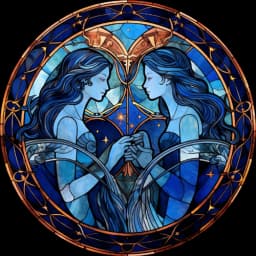
gemini
Mobile and mental emotion"The Moon in Gemini feels through movement, speech, curiosity and exchange. Emotion often passes through the mind before deepening."
Strengths
- Suppleness
- Emotional adaptability
- Vivacity
- Capacity to verbalise
Challenges
- Emotional scattering
- Difficulty going deep
- Instability
- Tendency to mentalise affect
Manifestations
- Need to talk about what one feels
- Emotional variability
- Search for mental stimulation
- Light distance from heavy emotion

cancer
Deep and matrixial emotion"The Moon in Cancer acts in its natural domicile. There it expresses its logic best: attachment, memory, protection, sensitivity and the need for affective continuity."
Strengths
- Empathy
- Memory
- Protection
- Sense of the bond
Challenges
- Withdrawal
- Touchiness
- Difficulty cutting with the past
- Affective hyperreactivity
Manifestations
- Strong need for an inner home
- Attachment to roots
- Rich and deep emotional life
- Capacity to nourish and protect

leo
Warm and expressive emotion"The Moon in Leo needs to express what it feels with warmth, panache and intensity. It seeks a clear and validating affective recognition."
Strengths
- Generosity
- Affective warmth
- Loyalty
- Radiant presence
Challenges
- Wounded pride
- Need for validation
- Dramatisation
- Difficulty staying simple in feeling
Manifestations
- Need for affective attention
- Warm expression of emotions
- A taste for loving with generosity
- Theatricalised or amplified inner life

virgo
Discreet and analytical emotion"The Moon in Virgo seeks to understand, order and channel the emotional experience. It needs coherence, measure and a reliable environment."
Strengths
- Discernment
- Reliability
- Sense of detail
- Capacity for care
Challenges
- Anxiety
- Emotional over-control
- Self-criticism
- Difficulty letting go
Manifestations
- Need to feel useful
- Discreet but real sensitivity
- Analysis of feeling
- Search for security through order
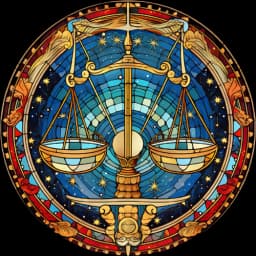
libra
Relational and harmonising emotion"The Moon in Libra seeks soothing through relationship, beauty, balance and the quality of the bond. It needs a harmonious climate to feel well."
Strengths
- Affective diplomacy
- Charm
- Search for peace
- Relational elegance
Challenges
- Affective indecision
- Dependence on the bond
- Avoidance of conflict
- Difficulty feeling against the other
Manifestations
- Need for relational gentleness
- Search for agreement and soothing
- Sensitivity to the affective climate
- Tendency to adjust to the other
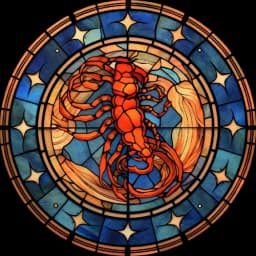
scorpio
Intense and vulnerable emotion"The Moon in Scorpio experiences emotions with depth, intensity and sometimes tension. In traditional fall, it may experience more extreme, more secret, more difficult-to-pacify affective turmoil there."
Strengths
- Emotional lucidity
- Depth
- Resilience
- Intensity of the bond
Challenges
- Jealousy
- Distrust
- Fear of betrayal
- Difficulty soothing inner turmoil
Manifestations
- Total and deep feeling
- Secret or defensive affective life
- Need for fusion or emotional truth
- Powerful inner reactions

sagittarius
Broad and confident emotion"The Moon in Sagittarius seeks space, meaning, momentum and openness in order to breathe inwardly. It tolerates emotional stifling poorly."
Strengths
- Affective optimism
- Openness
- Warmth
- Capacity to bounce back
Challenges
- Emotional flight
- Difficulty with affective heaviness
- Excess
- Defensive need for freedom
Manifestations
- Need for air and perspective
- Frank and spontaneous reactions
- Search for enthusiasm
- Sensitivity to meaning more than to detail

capricorn
Contained and structured emotion"The Moon in Capricorn is in traditional exile. There it contains feeling more, seeks to master itself and often has trouble showing its vulnerability spontaneously."
Strengths
- Solidity
- Emotional endurance
- Reliability
- Mastery
Challenges
- Closure
- Affective restraint
- Hardness toward oneself
- Difficulty letting go
Manifestations
- Need for emotional control
- Affective reserve
- Security sought through structure
- Difficulty asking for support

aquarius
Free and distanced emotion"The Moon in Aquarius often feels in a more decentred, more mental, more free way. It seeks a form of emotional breathing room that avoids confinement."
Strengths
- Emotional independence
- Open-mindedness
- Originality
- Capacity to step back
Challenges
- Affective distance
- Difficulty letting itself be fully touched
- Emotional unpredictability
- Defensive need for detachment
Manifestations
- Need for space within the bond
- Less demonstrative reactivity
- Original or atypical inner life
- Search for a balance between closeness and freedom

pisces
Porous and inspired emotion"The Moon in Pisces feels everything, picks up everything, absorbs a great deal. It gives a subtle, imaginative, compassionate inner life, but one sometimes difficult to contain."
Strengths
- Empathy
- Inspiration
- Compassion
- Openness to the subtle
Challenges
- Emotional vagueness
- Excessive permeability
- Difficulty setting limits
- Tendency to flight or confusion
Manifestations
- Great emotional receptivity
- Rich affective imagination
- Need for gentleness and atmosphere
- Tendency to absorb the surrounding mood
Moon in the 12 astrological houses
The theatres of life where the body manifests.
The Moon in the First House
"The Moon in the First House makes sensitivity visible. Mood, feeling and emotional reactions strongly mark the way of being and the presence."
Potentials
- Receptivity
- Living presence
- Empathy
Shadow points
- Visible emotivity
- Instability
- Difficulty keeping a distance
Manifestations
- Great visible reactivity
- Need to be recognised in one's sensitivity
- Changing or expressive presence
- Strong link between mood and apparent identity
The Moon in the Second House
"The Moon in the Second House seeks emotional security through stability, resources, comfort and what reassures concretely."
Potentials
- Sense of the concrete
- Need for stability
- Capacity to protect one's resources
Shadow points
- Excessive attachment
- Fear of going without
- Dependence on comfort
Manifestations
- Need for concrete security
- Emotional relationship to possessions
- Attachment to comfort
- Search for reassuring continuity
The Moon in the Third House
"The Moon in the Third House experiences emotions through the mind, exchanges, movements and the relational life of proximity."
Potentials
- Suppleness
- Sensitive communication
- Vivacity
Shadow points
- Nervousness
- Scattering
- Difficulty stabilising emotion
Manifestations
- Need to talk about one's feelings
- Emotions linked to the close circle
- Great reactivity to the immediate environment
- Emotional mobility
The Moon in the Fourth House
"The Moon in the Fourth House strongly reinforces the bond to the home, to roots, to family and to the inner life. There it is particularly coherent with its symbolism."
Potentials
- Emotional anchoring
- Sense of home
- Intimate depth
Shadow points
- Withdrawal
- Family dependence
- Difficulty leaving the known
Manifestations
- Need for an inner refuge
- Attachment to the home
- Affective weight of roots
- Search for protective intimacy
The Moon in the Fifth House
"The Moon in the Fifth House gives an expressive, creative and warm affective life. The need to play, to love and to express the impulses of the heart is important."
Potentials
- Sensitive creativity
- Warmth
- Capacity for expression
Shadow points
- Need for attention
- Affective dramatisation
- Vulnerability to a lack of response
Manifestations
- Need for emotional expression
- A taste for play, love and pleasure
- Sensitivity to the inner child
- Demonstrative affective life
The Moon in the Sixth House
"The Moon in the Sixth House seeks to reassure itself through daily life, rhythm, care, habits and the quality of the concrete environment."
Potentials
- Sense of care
- Attention to detail
- Capacity for adaptation
Shadow points
- Anxiety
- Hyperreactivity to stress
- Dependence on routines
Manifestations
- Need for reassuring rituals
- Strong link between mood and lifestyle hygiene
- Sensitivity to daily work
- Search for concrete usefulness
The Moon in the Seventh House
"The Moon in the Seventh House strongly experiences the need for bond, relational mirror and affective security through the relationship to the other."
Potentials
- Capacity for bond
- Affective diplomacy
- Care for the other
Shadow points
- Relational dependence
- Difficulty containing oneself alone
- Excessive influence of the partner
Manifestations
- Need for relational closeness
- Very strong receptivity to the other
- Search for a reassuring partner
- Emotional life influenced by the bond
The Moon in the Eighth House
"The Moon in the Eighth House deeply intensifies the emotional life. Feeling there becomes more secret, more powerful, more vulnerable to transformations and crises."
Potentials
- Affective lucidity
- Intensity
- Capacity for transformation
Shadow points
- Fears
- Defensive fusion
- Difficulty pacifying emotion
Manifestations
- Deep and intense emotions
- Need for emotional truth
- Reactivity to losses or changes
- Secret inner life
The Moon in the Ninth House
"The Moon in the Ninth House seeks a vaster inner horizon. It feeds on meaning, openness, faith, exploration and a feeling of broadening."
Potentials
- Openness
- Hope
- Inner suppleness
Shadow points
- Flight into the ideal
- Instability through a need for elsewhere
- Difficulty staying in the near
Manifestations
- Need for emotional meaning
- Attraction to broad horizons
- Receptivity to beliefs and visions
- Search for inner space
The Moon in the Tenth House
"The Moon in the Tenth House makes sensitivity visible in the social or professional sphere. External recognition strongly influences the inner feeling of security."
Potentials
- Social adaptability
- Possible popularity
- Capacity for care in the vocation
Shadow points
- Dependence on the external gaze
- Variability in ambition
- Vulnerability in exposure
Manifestations
- Need for public recognition
- Strong link between social image and emotional security
- Affectively invested professional life
- Sensitivity to the collective gaze
The Moon in the Eleventh House
"The Moon in the Eleventh House feeds on friendly bonds, groups and the feeling of belonging to a chosen community."
Potentials
- Capacity for bond within the collective
- Social suppleness
- Receptivity to group dynamics
Shadow points
- Excessive influence of the group
- Need to be contained by the collective
- Difficulty feeling fully autonomous
Manifestations
- Need for collective belonging
- Affective life linked to friendships
- Sensitivity to common projects
- Search for a supportive human climate
The Moon in the Twelfth House
"The Moon in the Twelfth House gives a deep, subtle inner life, sometimes difficult to grasp. Sensitivity there is often more secret, porous or silent."
Potentials
- Intuition
- Psychic depth
- Subtle receptivity
Shadow points
- Emotional vagueness
- Excessive withdrawal
- Difficulty protecting oneself from atmospheres
Manifestations
- Very rich inner life
- Need for solitude and withdrawal
- Great invisible receptivity
- Emotions difficult to verbalise
The aspects of Moon to the other planets


Moon – Sun
The Moon–Sun relationship describes the articulation between emotional needs and conscious will.
The Moon conjunct the Sun tends to unify feeling and conscious identity. Being often acts in continuity with its inner climate.
The Moon sextile Sun favours a good dialogue between sensitivity and will.
The Moon square Sun can create tensions between what one feels and what one wants to be or show.
The Moon trine Sun gives a harmonious circulation between inner life and self-affirmation.
The Moon opposed Sun often stages a polarity between affective needs and conscious direction.

Moon – Mercury
The Moon–Mercury relationship speaks of the link between emotion, memory, thought and speech.
The Moon conjunct Mercury gives a thought strongly tinged with affect and a great sensitive memory.
The Moon sextile Mercury eases the expression of feelings and the putting into words of emotional needs.
The Moon square Mercury can create a tension between feeling and mental formulation.
The Moon trine Mercury gives a good fluidity between sensitivity, speech and understanding.
The Moon opposed Mercury can create a pull between mental logic and emotional experience.

Moon – Venus
The Moon–Venus relationship speaks of gentleness, bond, pleasure, affection and relational quality.
The Moon conjunct Venus reinforces the need for harmony, tenderness and affective security.
The Moon sextile Venus favours relational gentleness and the natural expression of affection.
The Moon square Venus can create tensions between a deep affective need and the search for harmony or pleasure.
The Moon trine Venus gives charm, gentleness and quality of attachment.
The Moon opposed Venus can create a gap between emotional need and relational mode.

Moon – Mars
The Moon–Mars relationship speaks of the link between emotion and reaction, sensitivity and defence, feeling and action.
The Moon conjunct Mars intensifies reactivity, emotional vivacity and the instinctive response.
The Moon sextile Mars gives momentum, emotional courage and good reactivity.
The Moon square Mars can produce irritability, emotional tension and difficulty containing the impulse.
The Moon trine Mars gives a good articulation between feeling and the move to action.
The Moon opposed Mars can create conflicts between the need for security and the impulse to assert.

Moon – Jupiter
The Moon–Jupiter relationship speaks of emotional amplification, generosity, faith and the need for inner space.
The Moon conjunct Jupiter amplifies the inner life, the need for meaning, generosity and sometimes affective excess.
The Moon sextile Jupiter favours the opening of the heart, optimism and emotional confidence.
The Moon square Jupiter can accentuate affective overflows or excessive emotional expectations.
The Moon trine Jupiter gives warmth, inner amplitude and a capacity for comfort.
The Moon opposed Jupiter can create a tension between the intimate need and the desire for expansion.

Moon – Saturn
The Moon–Saturn relationship speaks of emotional restraint, inner structure, security and sometimes affective solitude.
The Moon conjunct Saturn gives depth, restraint, a sense of affective duty and sometimes a graver emotional life.
The Moon sextile Saturn helps to stabilise feelings and to build a more solid inner security.
The Moon square Saturn can create a fear of lack, affective closure or difficulty feeling emotionally nourished.
The Moon trine Saturn gives emotional maturity, seriousness and a capacity for containment.
The Moon opposed Saturn often stages tensions between affective need and control or distance.

Moon – Uranus
The Moon–Uranus relationship speaks of emotional freedom, unpredictable reactivity and the need for air in feeling.
The Moon conjunct Uranus accentuates emotional independence, unpredictability and receptivity to the unexpected.
The Moon sextile Uranus favours openness, inner renewal and a certain affective freedom.
The Moon square Uranus can make feeling unstable, abrupt or difficult to channel.
The Moon trine Uranus gives a natural capacity to breathe emotionally and to renew itself.
The Moon opposed Uranus can create a pull between the need for security and the need for freedom.

Moon – Neptune
The Moon–Neptune relationship speaks of hypersensitivity, imagination, compassion and inner porosity.
The Moon conjunct Neptune gives a very fine sensitivity, a rich imagination and a strong capacity for resonance.
The Moon sextile Neptune favours intuition, gentleness, compassion and emotional subtlety.
The Moon square Neptune can create affective vagueness, emotional confusion or idealisation of the bond.
The Moon trine Neptune gives inspiration, inner poetry and emotional delicacy.
The Moon opposed Neptune can create a tension between real affective need and an imaginary or idealised world.

Moon – Pluto
The Moon–Pluto relationship speaks of emotional intensity, psychic depth, crisis, power and inner transformation.
The Moon conjunct Pluto gives a powerful, deep and transformative emotional life.
The Moon sextile Pluto favours a constructive inner regeneration and a strong affective lucidity.
The Moon square Pluto can produce inner tensions, deep fears or emotional power struggles.
The Moon trine Pluto gives depth, fitting intensity and a capacity to go through crises.
The Moon opposed Pluto can stage affective struggles, powerful attachments or deep relational transformations.
Frequently asked questions about Moon in astrology
What does the Moon represent in astrology?+
The Moon represents the emotional life, sensitivity, affective needs, memory and instinct. As a luminary, it symbolises the inner world, the bond to the mother and to the home.
What is the difference between the sun sign and the moon sign?+
The sun sign reflects the conscious identity and the will. The moon sign reveals the emotional nature, the instinctive reactions and the person's deep affective needs.
Does the Moon change sign every day?+
The Moon has a revolution of 27.3 days and changes sign about every two and a half days. It is the fastest body in the chart, which explains its changing and cyclical nature.
How to interpret the Moon in a natal chart?+
The Moon in a sign shows how one feels and reacts. In a house, it indicates the area where one seeks emotional security. Its aspects specify the quality of the affective life.
Does the Moon influence the emotions?+
In astrology, the Moon is directly linked to the emotions, to mood and to instinctive reactions. Its domicile is Cancer, the sign associated with sensitivity, protection and the inner life.