Astrology course

The 10 Planets in Astrology

Planets are the actors of the birth chart: each embodies a specific psychic function. The Sun wills, the Moon feels, Mercury thinks, Venus loves, Mars acts, Jupiter expands, Saturn structures — and the three transpersonal planets (Uranus, Neptune, Pluto) connect the individual to the collective movements of their generation.

The sign shows HOW the function expresses itself, the house shows WHERE. Each card below details the symbolism, mythology, rulerships, the planet through the 12 signs and 12 houses, its transits and the associated psychological profile.

The 10 Planets in Astrology

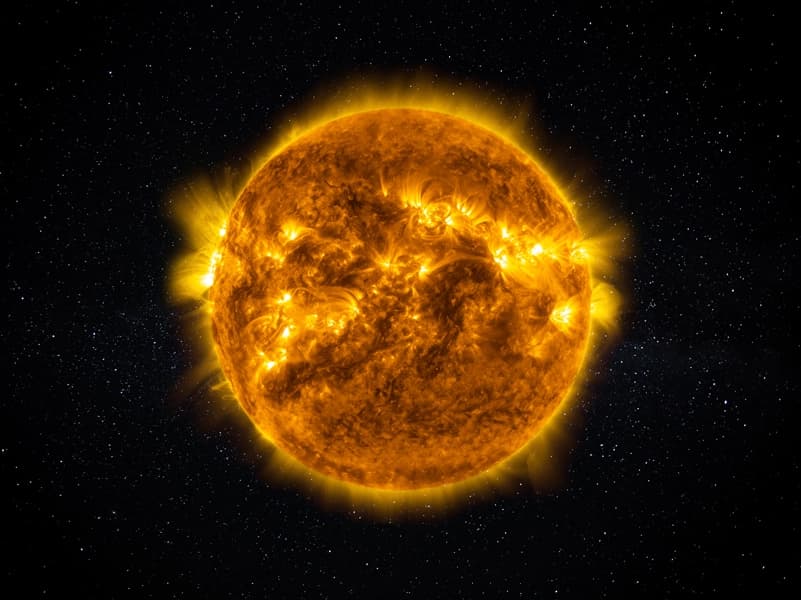
Sun

Astrological symbol of the Sun

The Sun represents the centre

Identity, will and what gives you direction. It speaks of what you seek to become, and of how you want to feel fully yourself.

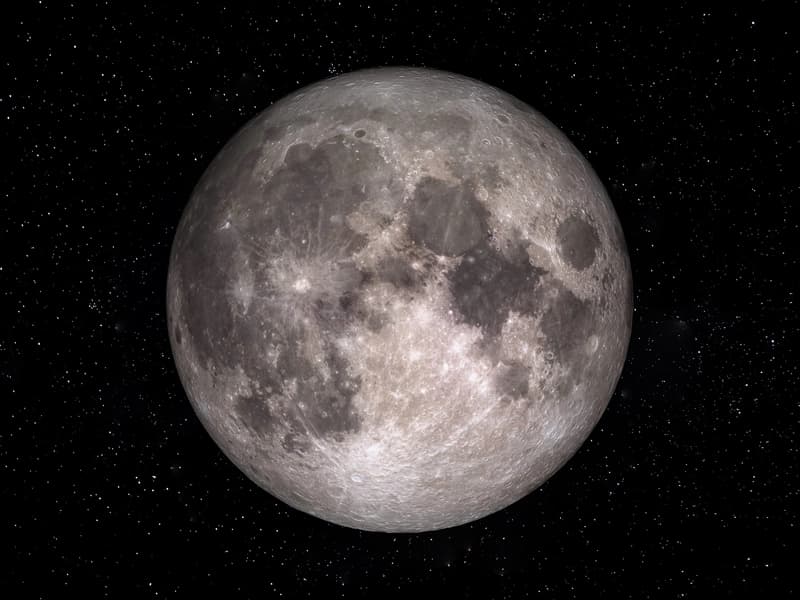
Moon

Astrological symbol of the Moon

The Moon represents the inner world

Emotions, needs and emotional security. It describes how you react spontaneously and what soothes you when you feel vulnerable.

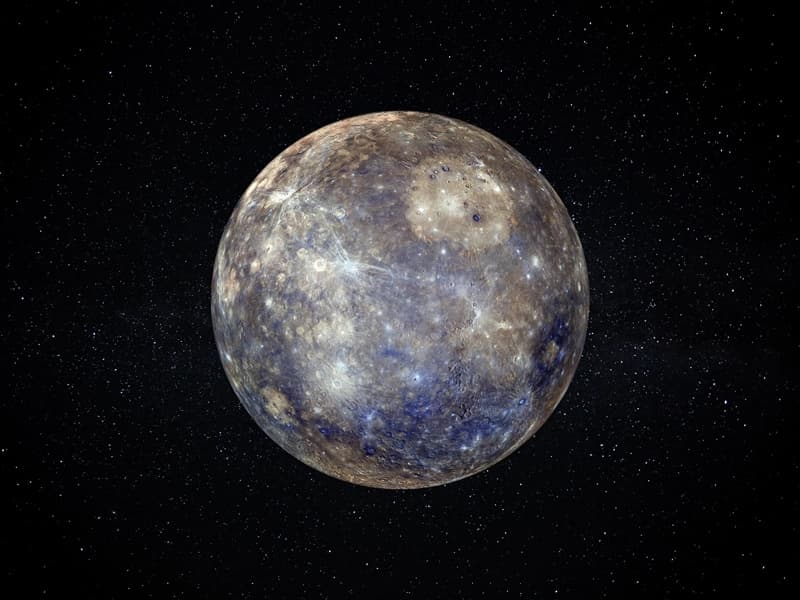
Mercury

Astrological symbol of Mercury

Mercury represents thought & language

The way of understanding, analysing and communicating. It shows how ideas circulate and how you make sense of what you observe.

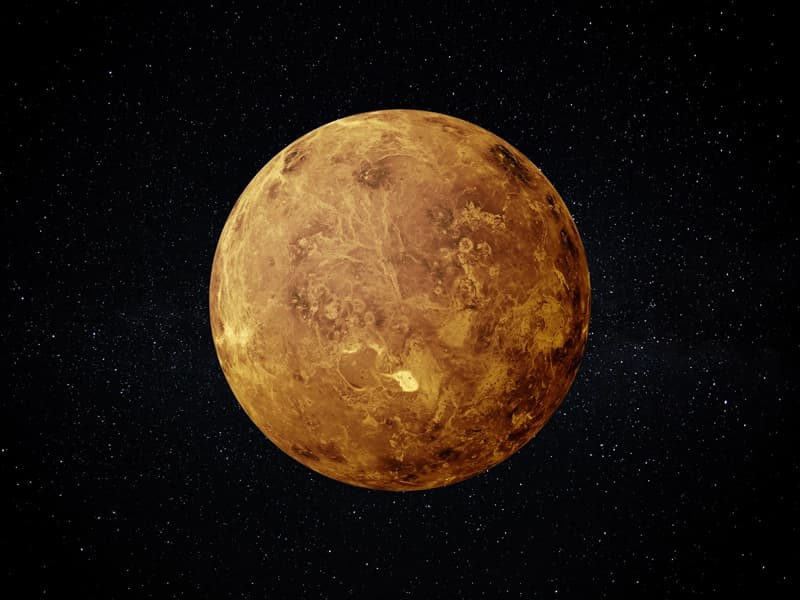
Venus

Astrological symbol of Venus

Venus represents bonds & values

What attracts, what pleases and what creates harmony. It speaks of love, attachments and the way you enter into relationships.

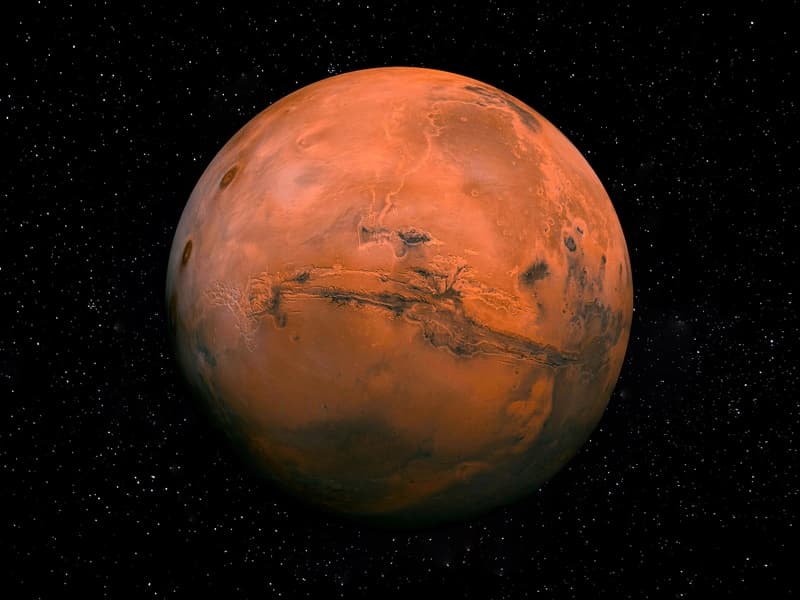
Mars

Astrological symbol of Mars

Mars represents drive & assertion

The energy of action, desire and the ability to assert oneself. It shows how you take action and how you defend your territory.

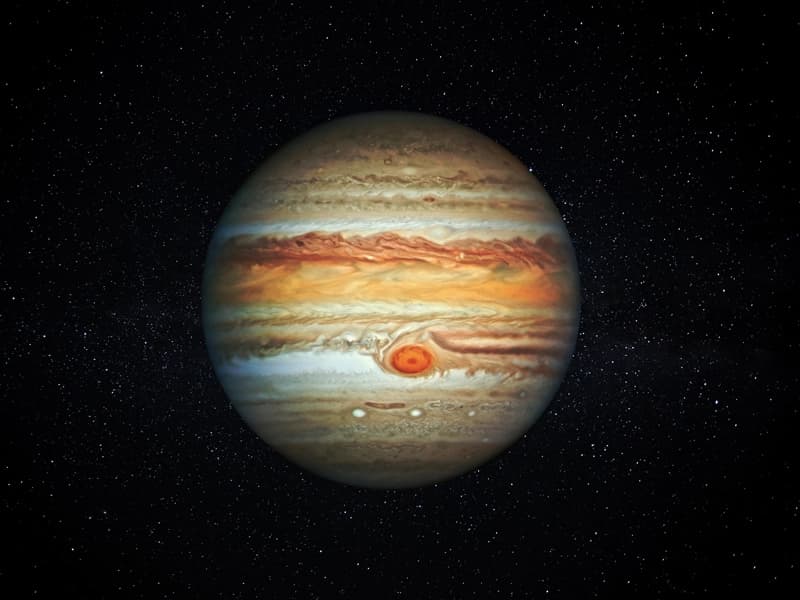
Jupiter

Astrological symbol of Jupiter

Jupiter represents expansion & meaning

Learning, growth and the bigger picture. It indicates where you seek to understand, explore and give meaning to your path.

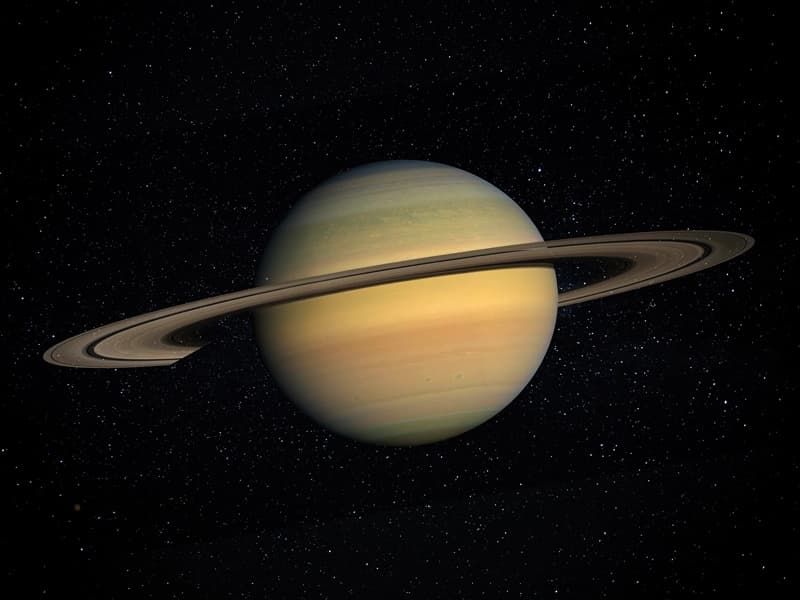
Saturn

Astrological symbol of Saturn

Saturn represents structure & time

Limits, responsibilities and patient construction. It shows how experience and effort allow us to grow solid.

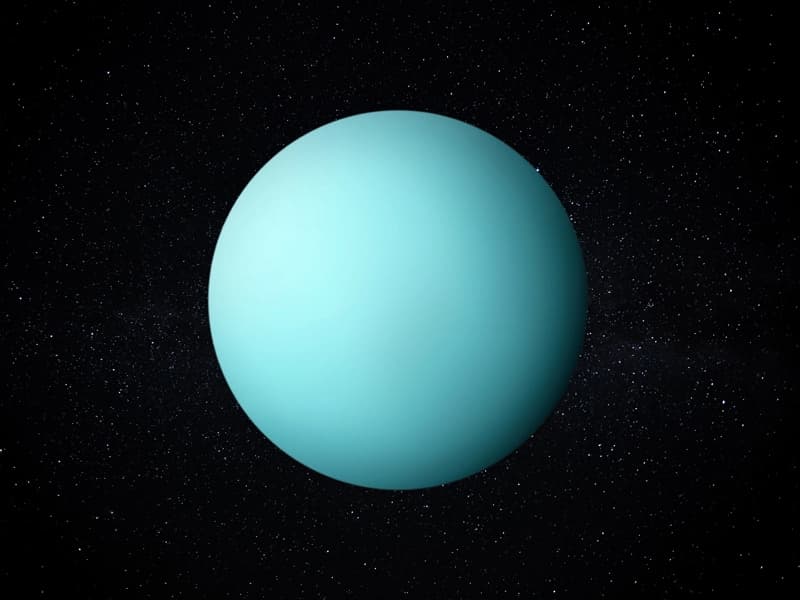
Uranus

Astrological symbol of Uranus

Uranus represents change & freedom

Rupture, independence and awakening. It indicates where the need arises to break out of frameworks to recover authenticity.

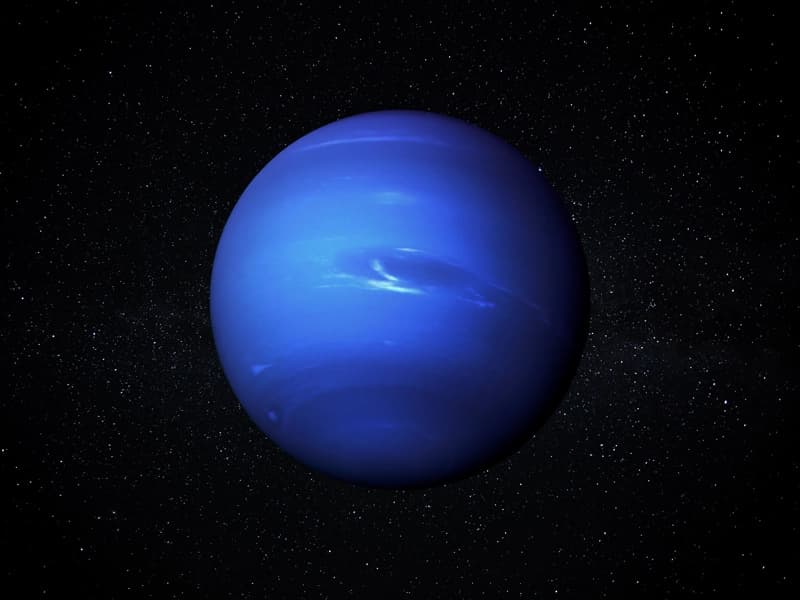
Neptune

Astrological symbol of Neptune

Neptune represents the ideal & sensitivity

Inspiration, imagination and compassion. It also speaks of the blurred zones where discernment becomes necessary.

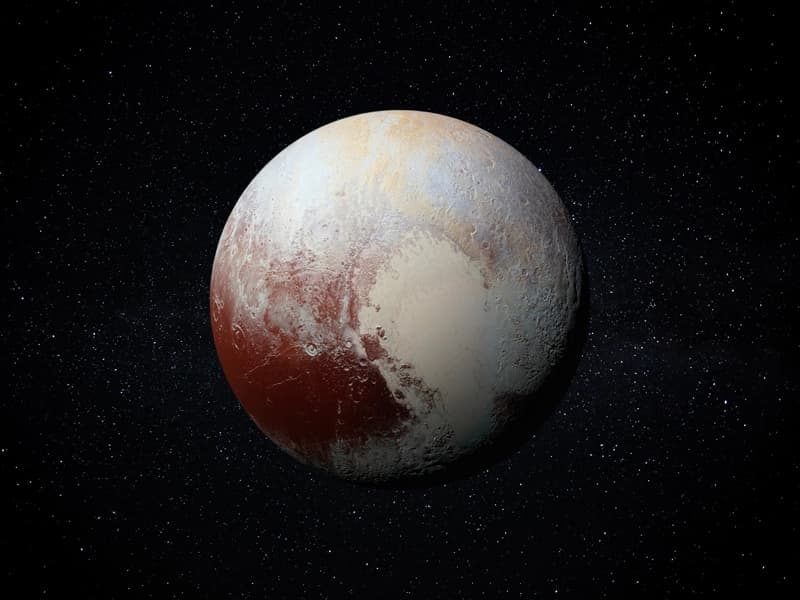
Pluto

Astrological symbol of Pluto

Pluto represents deep transformation

Crises, questioning and regeneration. It shows what must be gone through to allow an inner renewal.

How to read a planet in a chart

Always interpret in this order: the function (which planet?), the style (which sign?), the terrain (which house?), the alliances and tensions (which aspects?). A Capricorn Venus in the 10th house does not love like a Pisces Venus in the 5th. Then prioritize: the luminaries (Sun, Moon) and the Ascendant ruler weigh more than the rest.
Go further

Frequently asked questions about the planets

Which 10 planets are used in astrology?
The Sun and Moon (the luminaries), Mercury, Venus and Mars (the personal planets), Jupiter and Saturn (the social planets), then Uranus, Neptune and Pluto (the transpersonal ones). Astrology keeps Pluto, whatever its astronomical classification, for its symbolic value.
Which planet is the most important in a chart?
None dominates by principle: the Sun (identity), the Moon (emotions) and the Ascendant ruler form the structuring trio. A planet becomes dominant through its position (angular), dignities and aspects — chart analysis reveals it.
What does a retrograde planet mean in a birth chart?
Retrogradation is an optical effect: seen from Earth, the planet appears to move backward. Symbolically, its function turns inward: it expresses itself in a more reflective, less spontaneous way, often maturing with age. It is neither a weakness nor a curse.
What is the difference between personal and transpersonal planets?
Personal planets (Sun to Mars) change sign quickly and describe individuality. Social planets (Jupiter, Saturn) mark the relationship to society. Transpersonal planets (Uranus, Neptune, Pluto) stay years in one sign: they color a generation, and only become deeply personal when strongly aspected or angular.