SunSymbolism & influence in astrology
Family
Luminary
Revolution
365 days
Domicile
Leo
Definition
In astrology, Sun is a luminary planet whose symbolic function is linked to To structure identity, give a direction, unify the personality, express the will and allow the radiance of being. The Sun synthesises all the other functions and gives them a common meaning, a higher coherence.. Its domicile is in Leo.
Sun in astrology is much more than a mere celestial body in your natal chart. What is its essential function? How do you interpret it in each sign and each house? This encyclopedic guide to Sun gives you the keys to understanding its symbolism, its major aspects and its concrete influence in your life.
What is the archetype of Sun in astrology?
"The Sun is the centre of the solar system and, in astrology, the centre of the natal chart. It represents consciousness, will, the deep identity and the creative principle. It is the source of light, energy and coherence. Without the Sun, there is no unifying core around which the other psychic energies organise themselves."
Symbol
The circle, the solar disc, the point at the centre of the universe
Principle
Centre, unity, life, creation, radiance
Polarity
Masculine
Element
Fire
Quality
Fixed (via Leo)
What the body embodies
- Expansion of consciousness, broadening of the field of will and of the capacity to act
- Natural radiance, a presence that shines and draws the attention of others
- Brilliance, splendour and radiant beauty that inspires and captivates
- Fundamental vitality, life force and energy that animates the body and the psyche
- Synthesis: the Sun unites within itself the qualities of all the planets and expresses them as a unified totality
- Aesthetics and a taste for the beautiful, the search for harmony, proportion and elegance in expression
- Outer life and public visibility, what is shown to the world rather than what remains hidden
- Just authority and authentic leadership, the capacity to lead without dominating
- Nobility of heart, spontaneous generosity and magnanimity
- High social spheres, elevated and respected positions in the hierarchy
- Opulence, wealth and material splendour often accompanied by generosity
- Glory and public honours, a favourable reputation and social recognition
- Real and archetypal fatherhood, the figure of the father as one experienced and internalised him
- Husbands and life companions, the unconscious model of the masculine partner
- Chiefs and benevolent authority figures, the kings and the leaders of men
- Conscious light and mental clarity, intelligibility and the capacity to see clearly
- Growth, flourishing and the blossoming of all that one sows
Domicile
Leo
Exaltation
Aries
Exile
Aquarius
Fall
Libra
The logic of dignities
In Leo, the Sun is at home: it radiates naturally, affirms its identity, creates and leads with confidence. This is its natural domicile, where it fully expresses its solar logic.
In Aries (exaltation), it gains in power of initiative, in boldness and in the capacity to begin. Solar vitality is amplified there and galvanised by the pioneering energy of the sign.
In Aquarius (exile), the collective and impersonal logic of the sign can dilute the expression of the central self. Being must learn to exist without being at the centre.
In Libra (fall), the need for balance and relationship can hold back direct personal assertion. The Sun must compose with the other rather than radiate alone.
Genesis and origins of Sun
The Sun represents the heart of the natal chart. It does not describe the whole personality, but it indicates what being seeks to become, what it tends toward, what gives meaning to its existence. It is the "I want to be" of astrology.
It is the source of coherence: without the Sun, there is no inner unity. It acts as a centre around which the other psychic functions organise themselves, giving a direction, an intention and a purpose to the whole of life.
It corresponds to the conscious will, to the capacity to choose, to decide and to orient one's life. It is the agent of self-determination and free will in the natal chart.
In a traditional perspective, it symbolises nobility, greatness, dignity, authority, power, the crown and the divine seal. It is the archetype of the king, the chief, the sovereign and the son of heaven.
In a modern perspective, it is the process of individuation in the Jungian sense: becoming oneself, embodying oneself, existing fully as a consciousness responsible for its destiny and its radiance in the world.
What is the function of Sun in a natal chart?
To structure identity, give a direction, unify the personality, express the will and allow the radiance of being. The Sun synthesises all the other functions and gives them a common meaning, a higher coherence.
The Sun fulfils a function of unifying the natal chart. All the planetary energies, all the psychic archetypes, all the potentialities of being gravitate around the Sun as around a core. Without this centrality, the psyche would remain fragmented, without direction, without coherence. The Sun gives the meaning, the purpose and the common orientation.
On the level of consciousness, the Sun represents the capacity to see oneself, to have a coherent image of one's self, to make lucid choices and to take responsibility for them. It is the seat of the conscious will, that is, of the capacity to orient one's action according to a clear intention rather than reacting mechanically.
On the vital level, the Sun is the distributor of life energy. It animates the physical body, sustains blood circulation, maintains body temperature and vital heat. Every heartbeat, every oxygenation of the blood, every oxidative metabolism depends on this solar energy.
On the existential level, the Sun creates the deep need to realise oneself, to set oneself apart, to leave a mark. It is the principle that pushes one to emerge from anonymity, to create, to radiate and to occupy one's rightful place in the world. It is also the need for dignity, recognition and fair regard.
On the creative level, the Sun is the generator of forms, of works, of projects and of achievements. Everything that arises from the need to create, to reproduce, to bring forth the new belongs to the solar sphere. It is the fundamental creative impulse that never ceases.
Keywords
Mythology of Sun: gods and archetypes
Ancient tales and symbolism
In Greco-Roman mythology, the Sun is represented by Helios or Phoebus Apollo. Helios crosses the sky each day in his chariot drawn by four white horses, symbolising the daily journey of consciousness through the world. His light reveals, clarifies and orders chaos.
Apollo is the more civilised and Apollonian aspect of the Sun: he is the god of the arts, of music, of prophecy and of harmony. He represents the Sun in its dimension of wisdom, beauty and universal law. It is through Apollo that one can be a noble creator.
Heracles, the greatest hero of mythology, is the son of Apollo and represents the solar heroic archetype: the one who surpasses himself, who accomplishes the impossible and leaves a lasting imprint. The solar hero overcomes obstacles through his will and his bravery.
Kings and sons of gods are clothed in gold and marked with the solar seal. They possess a divine legitimacy, a direct connection with the celestial powers. They represent the established order and the wisdom of governing.
In Egyptian mythology, the Sun was Re or Ra, the creator god who regenerates each night and is reborn each morning. It is the model of the eternal return, of continuity and of inexhaustible life force.
The symbol of the hero who slays the monster or descends into the underworld to return victorious is also solar. It is the archetype of transformation, of self-surpassing and of the domination of dark forces by the light of consciousness.
All the myths of the sun-king, of the legitimate sovereign, of innate nobility belong to this mythological constellation. Even the fairy tales where a royal prince or princess discovers their hidden identity.
Graphic symbol
The glyph of the Sun is a circle with a point at the centre: ☉. This image sublimates the absolute mystery of existence: the point represents the infinitesimal, the absolute singularity, being reduced to its simplest expression. The circle represents the infinite, eternity, totality. Together, they say that each individual consciousness (the point) is the totality of the universe (the circle) expressed in a unique way. It is the atom and the universe, the microcosm and the macrocosm, in a single image.
Astronomical data
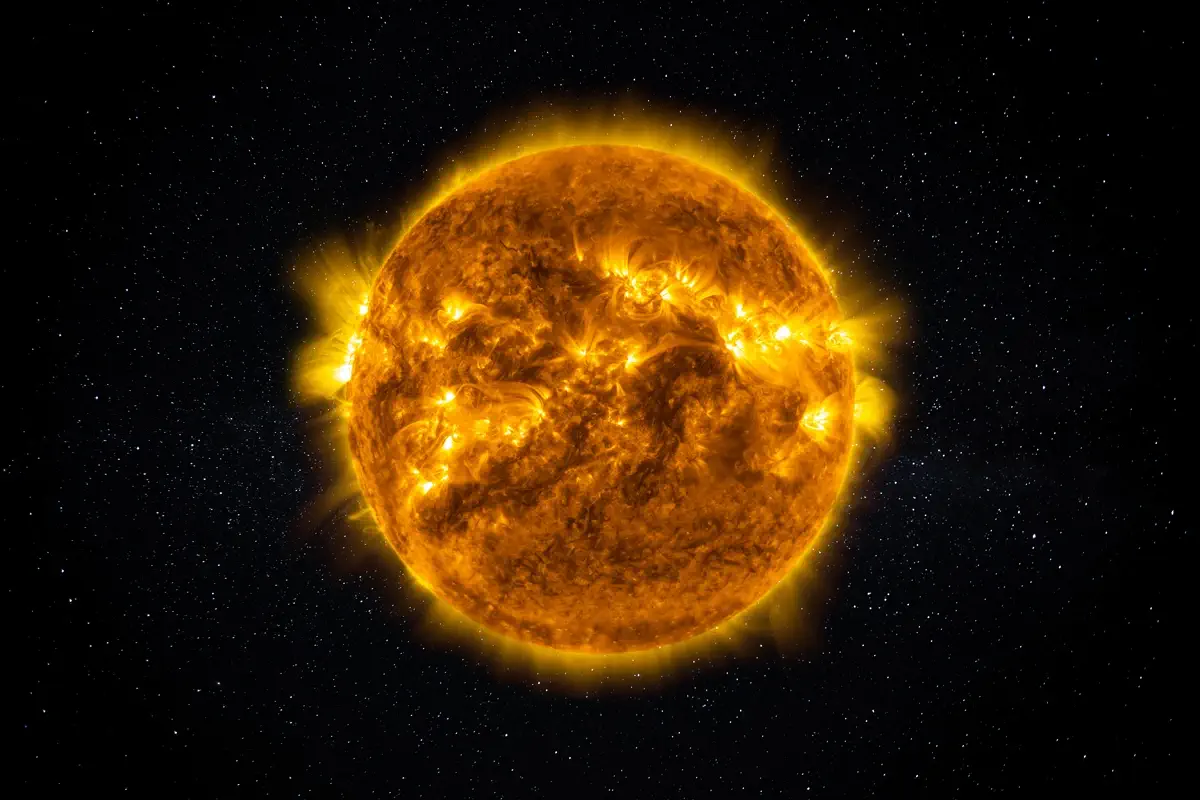
The Sun is the heart of the solar system, an almost perfect sphere of incandescent plasma with a diameter of 1,392,000 kilometres, about 109 times that of the Earth.
It contains about 99.9% of the total mass of the solar system. Everything revolves around it; it is the absolute gravitational source of coherence for everything that exists here.
Its composition: 78% hydrogen, 20% helium, and about 2% heavier elements. It is a gigantic nuclear fusion reactor that converts hydrogen into helium, releasing colossal energy.
Its surface temperature is about 6,000 degrees Celsius. Its core reaches about 15 million degrees. It is this extreme heat that creates fusion and radiant energy.
The Earth revolves around the Sun in 365.25 days (a solar year) at an average distance of 150 million kilometres (one astronomical unit). The apparent Sun moves about 1 degree per day in the astrological zodiac.
The Sun is currently moving toward the constellation of Hercules at a speed of about 72 kilometres per hour, guiding the entire system with it.
It produces energy equivalent to billions of nuclear bombs every second, but this terrible violence expresses itself for us as gentle light and generous warmth. It is the ultimate solar generosity.
Sun and the human psyche: strengths and shadows
Low level
- Excessive and pathological need for recognition
- Chronic dependence on the gaze and admiration of others
- Authoritarianism and unhealthy domination of others
- Defensive pride that fears all criticism
- Extreme egocentrism and inability to see others
- Superficial vanity and compulsive need to please
Middle level
- Progressive and healthy construction of identity
- Search for legitimate and deserved recognition
- Will to exist and to succeed without crushing others
- Progressive self-assertion adapted to contexts
- Development of self-confidence without arrogance
- Growing capacity for benevolent leadership
High level
- Stable and confident presence, with no need to confirm it
- Natural radiance that inspires without dominating
- Just authority exercised in the service of the group
- Authentic capacity to inspire and to create
- Inner alignment between conscious will and act
- Spontaneous generosity and magnanimous nobility of heart
- Lucidity about one's own desire for power
Strengths and potentials
- Inner clarity and self-awareness
- Natural leadership and capacity to lead
- Generous creativity and will to create
- Strong and persistent will
- Authentic capacity to inspire and to carry along
- Spontaneous generosity and benevolence
- Healthy pride and natural dignity
- Radiant presence and personal magnetism
- Optimism and faith in oneself
- The courage to be oneself
Shadow zones
- Pride and arrogance
- Egocentrism and narcissism
- Authoritarianism and need to dominate
- Rigidity and intolerance of doubt
- Unhealthy need for admiration and recognition
- Hypersensitivity to criticism
- Inability to share the light or to admit mistakes
- Vanity and superficiality
- Tendency to play a role instead of being authentic
- Coldness and emotional distance
Alignment
- Radiates naturally without seeking to impress
- Guides without imposing, inspires without dominating
- Acts coherently between values and deeds
- Recognises its limits and learns from others
- Shares its light generously
- Fully assumes its responsibilities
- Accepts criticism as a path of improvement
In excess
- Constantly dominates and imposes its vision
- Crushes others to shine more
- Places itself at the centre of every situation
- Refuses to admit error or limitation
- Demands admiration as a due
- Acts out of a desire for recognition rather than conviction
- Considers others as unimportant bit players
In deficit
- Lacks confidence in its legitimacy
- Self-effacement and chronic invisibility
- Excessive dependence on the outer gaze
- Difficulty asserting itself even when it should
- Repression of legitimate ambitions
- Fear of being noticed or criticised
- Constant sacrifice of its needs for the benefit of others
How to interpret Sun in depth?
The Sun in astrology operates a function that Jungian psychology calls the Self or the archetype of the Hero. It represents the part of ourselves that seeks to become whole, to exist fully and to realise its unique potential. It is the principle of individuation, the fundamental process by which a being becomes fully itself.
On the psychological level, the Sun describes how we perceive ourselves, what we think we are most deeply and what image of ourselves we seek to embody or to have recognised. It is intimately linked to the self-concept, to self-esteem and to confidence in our legitimacy to exist.
The Sun also reveals our relationship to outer and inner authority. The figure of the father, as one experienced him in childhood, deeply structures our relationship to the Sun. An absent or cruel father affects solar confidence. A benevolent and present father reinforces the capacity to radiate with assurance. The psychological task often consists in internalising a healthy form of authority in place of the one received.
The Sun also governs the process of emancipation: the fundamental need to free oneself from the parental matrix, to become independent, to build one's own life according to one's vision. This process begins around age 19 (solar stage) and continues throughout life. Solar blockages represent difficulties in freeing oneself, asserting oneself or becoming autonomous.
Finally, the Sun touches on the question of the ego: not the pathological and excessive ego, but the normal and healthy sense of self. A strong Sun allows legitimate confidence. A weak Sun creates chronic doubts. The psychological work consists in finding the balance: neither vanity nor self-effacement, but a fair presence and a measured pride.
Sun, the father and authority
The father and authority
- The Sun often represents the father or the primary authority figure in the psyche. It is the internalised paternal imago that structures our relationship to every form of authority thereafter.
- It indicates how one receives, integrates or rejects external authority: with respect, with revolt, with indifference or with blind submission. This dynamic is created in childhood through the relationship with the father.
- It also shows how one becomes an authority oneself: do we recreate the paternal model received, for better or worse? Do we manage to transcend this model and embody a more just and more generous authority?
Relationship to success
- The Sun is the most powerful indicator of success in astrology. A strong Sun in the Tenth House or associated with beneficial aspects promises a life of accomplishment, social ascent and lasting recognition. Conversely, an afflicted Sun can create significant blockages.
- Solar success is not merely material or professional: it is first the success of being oneself, of fully embodying one's nature and radiating without repression or destructive compromise. It is an inner victory that manifests outwardly.
- Around 40-50 years of age, a major solar crisis occurs. It is a passage where solar energy reorganises itself, where one must reassess what has succeeded and what has not come to fruition. Those with a good solar position navigate this passage more easily and emerge strengthened.
- The desire for success is natural in all Suns, but it can take healthy or pathological forms. Healthy ambition pushes one to surpass oneself and to contribute. Pathological ambition seeks only egoistic recognition and becomes self-destructive.
- A Sun well aspected to Jupiter promises a success that builds and amplifies naturally. A Sun square or opposed to Saturn demands patient work, discipline and endurance. But the success obtained is often more lasting and more deserved.
- Final success largely depends on what one makes of it. The one who accumulates power or wealth without enjoying it or sharing it succeeds only superficially. True success is the one that nourishes the heart, enriches the soul and benefits those around.
The paternal archetype in depth
The Sun in the natal chart describes very precisely the father as one experienced him and above all as one internalised him. It is not an objective father but a psychological father, a paternal imago that structures the psyche.
A strong Sun suggests a present, reliable, benevolent father who transmitted confidence and legitimacy. A weak or afflicted Sun can indicate an absent, weak, critical or toxic father. These paternal imagos then repeat themselves in our relationships to all authority.
The internalised paternal figure becomes the figure of inner authority: the one that says yes or no, that judges, that approves or disapproves. The more positive it was, the healthier and more creative our inner authority. The more negative it was, the more it becomes an inner repressive force.
The process of emancipation consists in progressively freeing oneself from the domination of this paternal imago, not by rejecting it but by reintegrating it at a more mature level. One becomes one's own father or mother, embodying the healthy qualities received and healing the wounds.
For men, the Sun often describes how they work to become fathers themselves, to embody authentic and responsible fatherhood. For women, it describes how they internalise masculine authority and what relationship they maintain with masculine figures.
The aspects the Sun receives from the other planets deeply modulate this paternal relationship. An afflicting Saturn can create a fear of authority. An afflicting Uranus can produce a revolt against the father. An afflicting Neptune often creates an impossible idealisation of the father.
The therapeutic work consists in recognising the influence of this imago, in thanking it for what it could give, in forgiving it for its shortcomings, and finally in recovering one's own power by repairing oneself inwardly.
In daily life
In daily life
- The Sun manifests in the way one takes one's place in a room, a conversation, a project. Does one radiate naturally or seek to make a place for oneself?
- It appears in important decisions: is one capable of choosing freely or does one let oneself be dictated to by fear or the gaze of others?
- It is seen in the relationship to responsibility: does one fully assume what falls to one or does one seek excuses?
- It influences self-confidence and the capacity to act: does one trust oneself to undertake or constantly doubt one's abilities?
- It manifests in the way one bears criticism: does one take it as useful information or as a personal attack?
- It is seen in ambitions: does one have them or live passively, letting others decide for us?
In which areas of life does Sun act?
How the body activates the great areas of life.
Body
- Heart and cardiac system: the seat of life
- Blood circulation and general vitality
- General vitality and the body's power of resistance
- Spine and back: the axis of posture
- Eyes and vision, particularly the right eye
- Metabolism and thermogenesis (heat production)
- Fertility and procreative capacity
Social
- Leaders and political or military chiefs
- Kings, queens and members of royal families
- Respected and admired authority figures
- Influential and powerful people
- Those who occupy visible and prestigious positions
- Recognised mentors and masters
- Celebrities and public figures
Love
- Search for recognition and admiration
- Need for deep respect and consideration
- Will to shine in the love relationship
- Affective pride and need to be regarded as superior
- Desire for a grandiose rather than ordinary union
- Emotional complexity and relational richness
- Need for the partner to share or value our radiance
Work
- Positions of direction and major responsibility
- Assumed leadership and natural authority
- Creation and realisation of great projects
- Work that demands personal assertion
- A visible and publicly recognised career
- A role that allows one to exert influence
- Work one is proud of and that elevates one's status
Authority
- Natural capacity to lead and to command
- Need to control or to orient things
- Relationship to hierarchy: often seeks to be at the top
- Difficulty accepting external authority if one does not respect it
- Potential to become an authority figure oneself
- Need for freedom of action without constant surveillance
- Sensitivity to questions of prestige and status
Success
- Natural ambition to surpass oneself and to succeed
- Will to leave a lasting mark on the world
- Search for visible and publicly recognised success
- Need for social recognition and high status
- Career ascent and the realisation of dreams
- Construction of a brilliant and envied destiny
- Wealth and opulence as proofs of success
Spiritual
- Unshakable inner centre and source of clarity
- Awareness of one's divine or particular role in the world
- Inner unity and progressive non-duality
- Creative principle and co-creation with the Divine
- Illumination and awakening of consciousness
- Will aligned with universal intentions
- Transcendence of the ego toward a higher realisation
Sun strong, weak or afflicted: what differences?
The body strong
- Great vitality and physical power of resistance
- Natural confidence in oneself and one's abilities
- Assumed and natural leadership
- Capacity to lead without abuse of power
- Mental clarity and synthetic vision of the problem
- Radiance that spontaneously draws favourable attention
- Just and respectable authority
The body weak
- Chronic lack of self-confidence
- Difficulty asserting oneself even when one should
- Excessive dependence on the opinions and gazes of others
- Lack of direction and vision for one's life
- Social invisibility even when one would wish otherwise
- Reduced vitality and chronic fatigue
- Absence of certainty about who one really is
The body afflicted
- Excessive pride and intolerable arrogance
- Authoritarianism and unhealthy need to dominate
- Major ego conflicts with others
- Deep and complex identity blockages
- Recognition wounds that do not heal
- Public scandals linked to the abuse of power
- Serious identity crisis at the key passages of life
Correspondences of Sun: body, stones and colours
Body
- Heart and cardiac system, seat of life and radiance
- Sight, particularly the right eye in men, the left eye in women
- Back and spine, central axis of the body
- Arteries and blood circulation, distribution of vitality
- Right side, traditionally associated with the male energies
- Blood circulation and oxygenation
- Oxidative metabolisms and thermogenesis
- Endocrine glands, particularly the sex hormones and the vital functions
Metals
- Gold, the noblest metal, incorruptible and brilliant, a symbol of perfection and immortality
Colours
- Pure yellow, the colour of solar light
- Orange, the colour of fire and heat
- Gilded yellow, a blend of yellow and gold representing solar wealth
Stones
- Diamond, the stone of absolute light and purity
- Topaz, the solar stone par excellence
- Yellow beryl, the crystal of clarity and vision
- Chrysolite, the yellow stone of vital energy
Animals
- Swan, the white and majestic bird of the rising sun
- Lion, king of the savanna and embodiment of solar power
- Ram, the animal of initiation and direct attack
Places
- Palaces and castles, dwellings of kings and the powerful
- Churches and sacred places, imbued with celestial light
- Triumphal arches and monuments to glory
- Thrones and seats of authority
- High spheres and summits
Day of the week: Sunday
Sun and health: medical plan and vitality
The Sun governs general vitality and the body's power of resistance to illness. A strong Sun indicates good fundamental health and a capacity for rapid recovery. An afflicted Sun weakens immunity and increases vulnerability to infections.
The heart and the cardiac system depend directly on the Sun: heart rhythm disorders, hypertension, cardiac weakness. The Sun in the Sixth House or afflicted can indicate cardiovascular fragility.
Sight and the eyes, particularly the right eye, are under the dominion of the Sun. Myopia, presbyopia and ocular problems can be marked by a difficult solar position.
The spine and the back often suffer when the Sun is afflicted. It is the central axis that weakens, affecting the whole posture and physical foundation.
Blood circulation and arterial pressure: the Sun is the cardiac pump that sends oxygenated blood to all the organs. A solar disturbance disrupts this vital distribution.
Body heat and metabolism: the Sun maintains thermogenesis and oxidative metabolisms. A weak Sun can produce a tendency to cold, to chronic fatigue or to poor digestion.
The endocrine glands, particularly those that govern fertility, growth and sexual vitality, are solar. A strong Sun favours fertility and procreative energy.
Between 40 and 50 years of age, difficult solar positions can reveal serious health crises or important passages of transformation. It is a point of transition where solar energy reorganises itself.
Feverish and congestive tendencies often appear with an afflicted Sun: inflammations, fevers, blood congestions, hypertension, apoplexies.
Spiritual dimension of Sun
On the spiritual and metaphysical level, the Sun is the star that connects the incarnate soul to the divine, to the primordial source of light and consciousness. It is the bridge between heaven and earth, the link through which the creative energy of the cosmos flows into human existence.
The Sun represents the unshakable inner centre, the sanctuary of consciousness that cannot be affected by outer circumstances. It is that motionless point at the heart of the constant movement of psychic life.
Progressive illumination, the awakening of consciousness to its own divine nature, is a solar finality. As one matures, the Sun calls us to a clearer understanding of who we truly are beyond the masks and social roles.
The absolute creative principle: the Sun is the reflection of the Creator, the generator of forms, the principle that orders chaos into cosmos. Within us, it is the power of ordering and of conscious creation.
Inner unity and non-duality: at the highest spiritual level, the Sun represents the state where the individual self recognises itself as a unique and inalienable expression of universal Unity. Not a flight from the self nor self-effacement, but its full realisation as a reflection of the Whole.
Will aligned with the Divine: the Sun at its highest level expresses the capacity to will what must be willed, to align with the cosmic intention and to act as a conscious agent of creation.
Physical appearance of the Sun type
The solar type presents a general harmony of features, a balanced proportion and a characteristic serenity that gives it a certain natural nobility. The face is often well balanced, neither too long nor too wide, with a certain regularity that pleases the eye.
The hair is generally abundant and often blond or golden, as if illuminated from within. It gives off an impression of health, prolonged youth and constant vitality.
The forehead is often broad and rounded, revealing a capacity for reflection and synthetic vision. It is an open window onto mental clarity and wisdom.
The eyes are magnetic, luminous and deep. They capture attention and convey a clear presence. The eye of the Sun shines with an inner light that gives the impression that the person truly sees, that they contemplate rather than merely look.
The nose is often aquiline or straight, nobly formed, marking a certain distinction and a capacity for discrimination.
The neck is long and elegant, similar to that of the swan, giving off a certain dignity and easing the proud carriage of the head.
The voice is resonant, clear and warm, naturally drawing attention. It has a natural authority without aggressiveness.
The general bearing is that of natural aristocracy: balance, serenity, discreet dignity. There emanates an impression of being in one's place, of possessing one's legitimacy without having to justify it.
Portrait of the solar type
The solar archetype in its fullness.
The typical solar person is above all a synthesis: they possess within themselves the qualities of all the other planets, but express them in a unified and central way. This is why they are often difficult to categorise: they do not have the specialisation of a pure Mercury or a pure Venus. They are a bit of everything because they seek to be a whole.
Their brain is the most powerful, capable of uniting opposites in a synthetic vision. Where others see fragments, the Sun sees a system. This quality makes them naturally suited to command, to high direction and to strategic thinking.
Their personal magnetism is attractive: people want to be around them, follow them, learn from them. It is not a carnal seduction (that of Venus) nor an affective fusion (that of the Moon), but an attraction of consciousness toward the light.
Their love life is complex, often rich, never simple. They attract others, arouse strong reactions, create stories. Their need for recognition in love is great; they need to feel that they are adored, admired, placed at the centre of their partner's heart.
Their destiny is brilliant from youth: they do not go unnoticed. Either they are admired, or they are criticised or envied, but no one ignores them. Their early years are often marked by a precocious ascent, a success that proves their potential.
It is a rare type in truth. All the great figures of history, all the names that persist through the centuries, shared a marked solar strength. Those who manage to master their selfishness and to direct their pride toward generosity become true luminaries of their era.
Which professions for a dominant Sun?
Professions and vocations
- Heads of State and high-level politicians, those who bear national authority
- General managers and senior executives, those who make the great decisions
- Kings, queens and members of royal families, living embodiments of authority
- Bankers and important financiers, controlling the circulation of wealth
- Industrialists and major entrepreneurs, creators of wealth and jobs
- Jewellers and goldsmiths, workers of gold and preciousness
- Furriers and luxury merchants, sellers of splendour and opulence
- Painters and major artists (particularly Sun-Jupiter), creators of beauty
- Prestigious musicians and composers (Sun-Venus), masters of sonorous radiance
- Renowned actors and film stars (Sun-Venus), faces of glory
- Eminent scholars and researchers (Sun-Saturn), discoverers of lasting truths
- Inventors and innovators (Sun-Uranus), creators of new realities
- Prestigious doctors and surgeons, healers of vitality
- Recognised professors and masters, transmitters of knowledge
- Priests and spiritual guides, intercessors of the divine
Sun and the romantic destiny
The sentimental ideal of the Sun is very high: it dreams of a grandiose union, of a partner worthy of its demands and its nobility. It seeks a complementary figure as brilliant, beautiful and elevated as possible.
The difficulty in finding this ideal partner is real. Many Suns will wait a long time, refusing ordinary unions, and may end up accepting late what they should have welcomed earlier.
For the solar woman, a solution often found is union with a lunar man (sensitive, protective, receptive to her light) or a Venusian one (handsome, charming, who admires her). These men can support and magnify her radiance.
The solar woman is often a femme fatale, possessing considerable powers of seduction. She draws attention, desires it, inspires admiration. She seeks consoling luxury and creates around herself an atmosphere of splendour.
For the solar man, union can be complicated by his need to be first, admired, the chief. A woman too strong may be perceived as a threat to his supremacy. He often seeks a woman who is beautiful, devoted and able to value his importance.
Solar love life is complex, often crossed by dramas, ruptures, intense passion. The Sun does not dream of simple loves but of grandiose adventures. The wound comes when reality does not reach the ideal.
Sun and money: financial destiny
Solar financial destiny is often a trajectory of growing ease and wealth. A well-placed Sun predisposes to prosperity, to favourable inheritances, to successful ventures. Wealth seems to come naturally.
But this does not mean the absence of crises. Solar expenses are sumptuous: one spends for splendour, luxury, magnificence. The Sun does not know how to save discreetly; it spends lavishly, generously, nobly.
Brilliant financial instability is characteristic: rapid accumulation, rapid loss, fresh new beginning. The Sun has the optimism to believe that there will always be more, that generosity will be rewarded. Often, this works.
Gambling and speculation attract Suns: the idea of winning big, quickly, spectacularly, seduces them. This can lead to fine coups or to disasters.
The financial crisis between 40 and 50 years of age is a common solar phenomenon. Resources run out, expenses catch up with income, or a situation changes radically. It is a moment of readjustment, of reconsidering priorities.
Those who structure their Sun with Saturn end up building lasting wealth. Those who leave their Sun without structure often end up ruined. Wisdom consists in allying radiance with prudence.
Age of life
In cyclical astrology, the Sun governs the period of life from about 22 to 41 years, that is, about 19 years. It is the time when the soul awakens to itself, when one builds one's adult identity, when one seeks one's place in the world. These years are those of building the successful self, of realising youthful ambitions, of establishing personal legitimacy. This solar cycle then extends and gives its colour to the whole of adult life.
Sun in the 12 signs of the zodiac
The influence of the body across the twelve signs.
aries
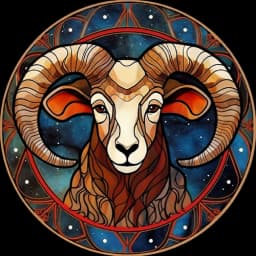
Sun in Aries: Direct and initiating will"The Sun in Aries expresses a frank, ardent identity turned toward immediate action. Here, being feels alive when it acts, begins, decides and opens a new path. The exaltation of the Sun in Aries strongly accentuates the force of initiative, the courage to exist and the will to confront reality directly. It is the archetype of the warrior, the pioneer, the creator who does not fear the beginning."
Strengths
- Remarkable courage and absence of fear
- Lively, energetic and combative presence
- Natural initiative and capacity to open paths
- Spontaneous and charismatic leadership
- Overflowing vitality and joy of action
- Raw honesty and disarming frankness
Challenges
- Chronic impatience and difficulty waiting
- Excessive reactivity and tendency to impulsiveness
- Difficulty waiting for the optimal moment or composing
- Possible confusion between assertion and haste
- Involuntary aggressiveness in expression
- Possible burn-out from excessive energy expenditure
- Tendency to leave projects unfinished to launch into others
Manifestations
- Need to act fast and to feel master of one's vital momentum
- Pronounced taste for beginnings, conquest and challenge
- Direct self-assertion, sometimes brutal but always sincere
- Natural capacity to carry others along by example and daring
- Impatience in the face of slowness or obstacles
- Often excessive confidence in one's capacity to succeed
- Fierce determination and refusal to back down before difficulty

taurus
Sun in Taurus: Stable and embodied will"The Sun in Taurus builds a solid, concrete identity deeply rooted in material reality. Being radiates less through panache than through constancy, reliability and the capacity to last and to produce the tangible. Here, the will seeks above all to produce the stable, the palpable and the reassuring. It is the archetype of the patient builder who raises lasting structures."
Strengths
- Remarkable endurance and capacity for perseverance
- Emotional stability and natural inner peace
- Deep sense of the real and grounding in the concrete
- Capacity to build and construct durably
- Material generosity and sharing of resources
- Sense of touch and refined sensuality
Challenges
- Relative rigidity and difficulty changing or adapting
- Slowness in the face of rapid or unexpected changes
- Excessive attachment to one's habits and rituals
- Difficulty letting go of what one possesses
- Tendency to gluttony or sensory excess
- Risk of sclerosis or excessive routinisation
- Possessiveness in affective relationships
Manifestations
- Fundamental need for sure and stable foundations to express one's identity
- Marked taste for the concrete, for proven values and for continuity
- Calm, firm presence, often reassuring to others
- Progressive but tenacious will, incapable of haste
- Attachment to lands, possessions and resources
- Natural sense of real values and of the fair price
- Almost unlimited patience in the pursuit of objectives
gemini
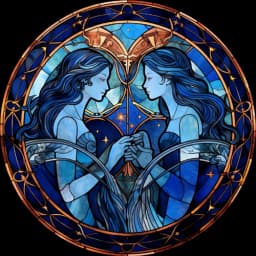
Sun in Gemini: Mental and mobile will"The Sun in Gemini expresses a supple, curious, intellectual identity in love with constant mobility. Here, being feels alive in exchange, movement, ideas and the rapid circulation of information. Radiance comes less through force than through speech, mind, vivacity and adaptability. It is the archetype of the messenger, the storyteller, the perpetual curious one who nourishes the soul through knowledge."
Strengths
- Exceptional curiosity and thirst to learn
- Mental vivacity and quick reactions
- Remarkable adaptability in the face of change
- Natural talent for communication and transmission
- Psychic suppleness and capacity to see several points of view
- Intellectual charm and capacity to interest others
Challenges
- Chronic scattering and lack of concentration
- Emotional instability and mood changes
- Difficulty truly going deep or completing
- Tendency to remain superficial or to deal only in theory
- Nervousness and constant mental agitation
- Inability to remain alone or in prolonged silence
- Risk of false knowledge and misplaced confidence
Manifestations
- Visceral need for variety and permanent intellectual stimulation
- Passionate taste for dialogue, learning and human connections
- Identity naturally in movement, multiple and exploratory
- Light, lively and highly communicative presence
- Natural ease with written and spoken language
- Universal curiosity without always going deep
- Need to feel aware of everything that is happening
cancer
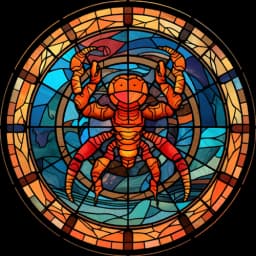
Sun in Cancer: Sensitive and protective will"The Sun in Cancer gives an identity strongly connected to memory, emotion, the deep need for protection and the feeling of family or community belonging. Here, being radiates through sensitivity, the capacity to nourish, to contain emotionally and to protect what matters. It is the archetype of the protector, the loving father or mother who finds legitimacy in the care given to others."
Strengths
- Natural empathy and understanding of needs
- Remarkable loyalty toward those one loves
- Sense of care and of motherhood or fatherhood
- Discreet but deep inner strength
- Sharpened intuition about emotional states
- Capacity to create a home or a warm atmosphere
Challenges
- Excessive susceptibility and deep emotional wounds
- Withdrawal into oneself or sealing off of the heart
- Affective dependence on the past or the home
- Difficulty coming out of one's protective shell
- Moodiness and emotional fluctuations
- Tendency to emotional fusion or lack of limits
- Difficulty trusting oneself or asserting one's own needs
Manifestations
- Fundamental need for a solid inner or outer home
- Deep attachment to roots, family and the intimate
- Identity strongly influenced by the affective and the emotional climate
- Natural will to protect what truly matters
- Heightened sensitivity to moods and atmospheres
- Excellent memory, particularly emotional
- Need to create and maintain safe spaces

leo
Sun in Leo: Natural and central radiance"The Sun in Leo acts in its natural domicile and there expresses its logic best: luminous self-awareness, innate nobility, overflowing creativity, the need to exist fully and to radiate with assurance. Here, being wants to occupy its rightful place, create something great, inspire and live with an open heart. It is the archetype of the king, the creator, the heart that beats to live intensely."
Strengths
- Remarkable charisma and personal magnetism
- Generous creativity and will to create
- Healthy pride and natural dignity
- Power of radiance and captivating presence
- Spontaneous generosity and positive grandeur
- Capacity to embody ideals and to live them
- Communicative enthusiasm and authentic joy
Challenges
- Excessive pride and undisguised arrogance
- Need for admiration that becomes pathological
- Difficulty sharing the light or welcoming other stars
- Tendency to take oneself very or too seriously
- Dramatisation of personal situations
- Risk of superficiality despite the splendour
- Difficulty accepting defeats or criticism
Manifestations
- Intense need for recognition and personal expression
- Will to embody a strong, clear and majestic presence
- Pronounced taste for creation, panache and generosity
- Natural and assumed leadership, with no visible difficulty
- Healthy pride in the affirmation of what one is
- Capacity to inspire admiration and to illuminate a space
- Contagious joy of living and radiant warmth
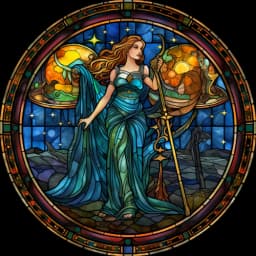
virgo
Sun in Virgo: Analytical and useful will"The Sun in Virgo builds an identity founded on precision, usefulness, competence and a sense of constant improvement. Here, being radiates less through spectacular brilliance than through quality, method and discernment. It is the archetype of the practitioner, the sage who serves in silence, the master of detail who perfects."
Strengths
- Exemplary and systematic method
- Clear lucidity and just analysis
- Remarkable professional conscientiousness
- Capacity for improvement and perfecting
- Useful service and recognised competence
- Fine discernment and high standards
- Reliability and absolute responsibility
Challenges
- Excessive self-criticism and self-sabotage
- Paralysing perfectionism and intolerance of error
- Anxiety linked to self-doubt
- Difficulty relaxing or accepting the imperfect
- Tendency to criticise others excessively
- Risk of being absorbed by details to the detriment of vision
- Excessive modesty that holds back recognition
Manifestations
- Fundamental need to be useful, fair and competent
- Meticulous taste for detail, sorting and adjustment
- Consciousness turned toward the concrete and practical real
- Perpetual search for coherence and reliability
- Selfless service and devotion to details
- Perfectionism that sometimes becomes invasive
- Good humour linked to efficiency and improvement
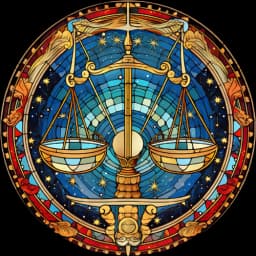
libra
Sun in Libra: Relational and balancing will"The Sun in Libra seeks to exist in the bond, the relationship, harmonious exchange and the search for a just balance. In traditional fall in this sign, the Sun may have more trouble radiating in a central and sovereign way, because it must compose with the gaze of the other and the need for harmony. It is the archetype of the diplomat, the peacemaker, the spouse who finds their reason for being in relational balance."
Strengths
- Natural diplomacy and remarkable tact
- Charm and agreeable seductiveness
- Sense of measure and balance
- Relational intelligence and empathy
- Capacity to see both sides and to mediate
- Grace in relationship and elegance
- Natural justice and concern for fairness
Challenges
- Chronic indecision and difficulty deciding
- Affective dependence on the gaze or approval
- Difficulty centring oneself alone or existing autonomously
- Systematic avoidance of conflict even when necessary
- Tendency to please everyone at the expense of one's truth
- Fluctuations due to outer influences
- Difficulty imposing one's limits or saying no
Manifestations
- Intense need to be recognised in the relationship or partnership
- Natural search for fairness, dialogue and elegance
- Identity often built through the mirror of the other
- Will to avoid raw, direct or aggressive relations
- Sensitivity to inequalities and need for justice
- Charm and diplomacy as relational tools
- Difficulties with autonomous decision-making without consultation
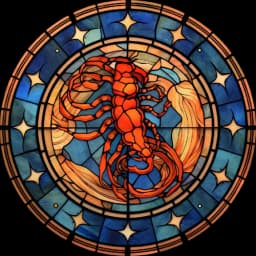
scorpio
Sun in Scorpio: Intense and transformative will"The Sun in Scorpio gives a deep, secret, intense identity often crossed by major stakes of truth, power and radical transformation. Here, being feels alive when it traverses the deep levels, truly understands and regenerates what is rotten. It is the archetype of the healer, the transformer, the seeker of hidden truth who does not retreat before the shadow zones."
Strengths
- Exceptional resilience in the face of difficulties
- Cutting and penetrating lucidity
- Power of transformation and regeneration
- Intensity and depth in any undertaking
- Personal magnetism and silent charisma
- Unshakable determination and powerful will
- Capacity to heal what is wounded
Challenges
- Need for control and domination
- Excessive distrust and chronic vigilance
- Tendency to power struggles and power games
- Inclination to all-or-nothing without nuance
- Difficulty forgiving or forgetting
- Intensity that can become destructive
- Tendency to vengeance or prolonged rancour
Manifestations
- Deep need to go to the bottom of things and of mystery
- Concentrated and powerful will, often silent
- Magnetic, dense and sometimes enigmatic presence
- Uncompromising search for authenticity and truth
- Capacity for regeneration and personal transformation
- Remarkable self-control but contained energy
- Tendency to probe hidden motivations
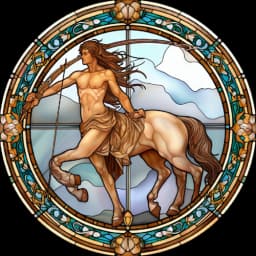
sagittarius
Sun in Sagittarius: Expansive will turned toward meaning"The Sun in Sagittarius expresses a broad, enthusiastic identity oriented toward higher knowledge, exploration, faith and the quest for limitless horizons. Here, being radiates through openness, sincerity, a taste for meaning and generosity of soul. It is the archetype of the sage, the traveller, the prophet who seeks to understand and to transmit a broad vision."
Strengths
- Contagious optimism and deep faith
- Broad vision and synthetic capacity
- Spontaneous generosity and magnanimity
- Capacity to inspire and to carry along
- Adventure and taste for exploration
- Sagacity and understanding of universal law
- Communicative joy of living and authentic warmth
Challenges
- Overconfidence and lack of measure
- Possible dogmatism about beliefs
- Lack of concentration and scattering
- Difficulty remaining in the concrete or the everyday
- Naive optimism and underestimation of obstacles
- Intolerance of restrictive points of view
- Unkept promises or poorly honoured commitments
Manifestations
- Intense need for space, broad vision and perspective
- Natural taste for transmitting, understanding and travelling
- Identity carried by a quest for transcendent meaning
- Warm, expansive and enthusing presence
- Natural confidence in a better future
- Will to contribute to something greater
- Often raw sincerity and disarming frankness
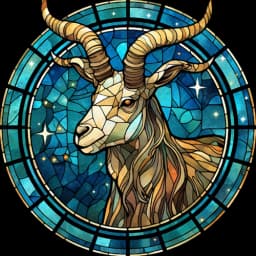
capricorn
Sun in Capricorn: Structured and ambitious will"The Sun in Capricorn builds a serious, responsible, demanding identity oriented toward lasting and legitimate accomplishment. Here, being feels alive when it builds something lasting, assumes its responsibilities and achieves with slowness and determination. It is the archetype of the builder, the magistrate, the father who fully assumes his responsibility."
Strengths
- Exemplary discipline and self-control
- Remarkable endurance over time
- Strategic sense and long-term vision
- Absolute reliability and responsibility
- Capacity to build lasting structures
- Just and respected authority
- Sagacity and calculated prudence
Challenges
- Excessive rigidity and difficulty adapting
- Chronic fear of failure or insufficiency
- Hardness toward oneself and others
- Difficulty letting go of mastery or control
- Tendency to pessimism or lack of optimism
- Excessive emotional burden and over-control
- Possible isolation due to apparent coldness
Manifestations
- Need for concrete objectives and deserved legitimacy
- Sober, controlled, deeply credible presence
- Strong but contained and disciplined will
- Search for a solidly built success
- Respect for rules and established order
- Progressive but inexorable slowness toward goals
- Grave responsibility toward what one undertakes
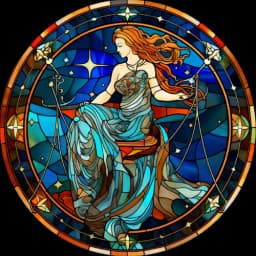
aquarius
Sun in Aquarius: Independent and decentred will"The Sun in Aquarius seeks to exist through absolute freedom, originality, collective vision and radically different thinking. In traditional exile, the Sun there loses part of its natural centrality and egocentrism, because the sign pushes one to decentre from the personal self in favour of the group, the system or the universal idea. It is the archetype of the reformer, the visionary, the one who walks against the established logic."
Strengths
- Authentic independence and refusal of chains
- Creative originality and unique vision
- Reforming and revolutionary intelligence
- Collective vision and concern for the common good
- Authenticity without concern for external judgement
- Capacity to see the future and the trends
- Sincere humanitarianism and solidarity
Challenges
- Excessive emotional distance and detachment
- Need to be different at all costs
- Difficulty inhabiting a simple personal centrality
- Ideological rigidity and intolerance of divergences
- Camouflaged intellectual elitism
- Inability to feel at home or secure
- Voluntary or forced isolation through incomprehension
Manifestations
- Fundamental need to be oneself outside imposed models
- Often non-conventional and atypical identity
- Will to contribute to something vaster
- Free presence, often distant or detached
- Emotional distance alongside ideal commitment
- Intuitive refusal of conventions and conformities
- Need for broad spaces and breathing freedom
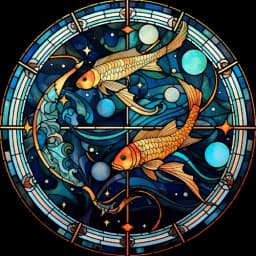
pisces
Sun in Pisces: Sensitive and inspired will"The Sun in Pisces gives an intuitive, receptive, inspired identity often very porous to the surrounding atmospheres. Here, being radiates less through direct assertion than through gentleness, compassion, the imaginary and the subtle quality of presence. It is the archetype of the mystical sage, the empathic healer, the inspired artist who transcends material reality."
Strengths
- Natural empathy and deep understanding
- Inspiration and artistic creativity
- Rich imagination and vast inner world
- Openness to the subtle and the spiritual
- Sincere compassion and capacity for healing
- Sharpened intuition and fine perceptions
- Mystical wisdom and transcendent vision
Challenges
- Identity blur and difficulty defining oneself
- Lack of limits and clear boundaries
- Tendency to escape or escapism
- Difficulty truly embodying or acting
- Naivety and vulnerability to manipulation
- Lack of discernment or critical judgement
- Excessive self-sacrifice for the benefit of others
Manifestations
- Need for inner meaning and psychic breathing room
- Gentle, sensitive presence, often hard to grasp
- Identity open to the imaginary, the invisible and emotion
- Less frontal will, more intuitive and diffuse
- Great porosity to atmospheres and energies
- Rich imagination and inspired creativity
- Possible dissolution of the limits of the self
Sun in the 12 astrological houses
The theatres of life where the body manifests.
The Sun in the First House: Identity in the foreground
"The Sun in the First House considerably reinforces presence, self-awareness and the need to exist clearly and visibly. Identity is at the very forefront: the person wants to be seen, recognised, embodied. They cannot go unnoticed and do not wish to. It is the classic position of the born leader, of the one who naturally occupies the central place."
Potentials
- Remarkable charisma and magnetism
- Natural self-confidence
- Spontaneous and assumed leadership
- Radiant and captivating presence
- Capacity to command respect
- Clarity in self-expression
Shadow points
- Possible egocentrism and difficulty composing with others
- Excessive need for recognition
- Tendency to dominate spaces and conversations
- Impatience with those who do not keep up
- Risk of lack of modesty or humility
Manifestations
- Strong, marked and immediately perceptible presence
- Constant will of personal assertion
- Need to exist fully by oneself
- Natural taste for initiative and leadership
- Highly visible identity in physical appearance
- Difficulty going unnoticed or remaining discreet
- Natural centrality in social situations
The Sun in the Second House: Identity through value
"The Sun in the Second House builds identity through perceived personal value, material security, resources and the capacity to produce the stable and tangible. Self-esteem is very strongly linked to what one possesses, builds or masters. This position creates a deep link between existence and economic security."
Potentials
- Strong sense of personal value and merit
- Capacity to build and to produce
- Will for security and stability
- Material generosity and sharing
- Wise management of resources
Shadow points
- Excessive attachment to possessions
- Chronic fear of losing or going without
- Possible confusion between being and having
- Tendency to materialism or greed
- Difficulty letting go of resources
Manifestations
- Fundamental need to prove one's personal value
- Very strong relationship to money and resources
- Will for material security and ease
- Importance of concrete and productive talents
- Possible identification with the role of provider
- Material generosity as self-expression
- Pride in tangible accomplishments
The Sun in the Third House: Identity through speech and idea
"The Sun in the Third House radiates powerfully through speech, exchange, learning and the circulation of ideas. Identity is built essentially through the mind, communication and the transmission of knowledge. Personal thought becomes the main means of self-assertion."
Potentials
- Remarkable expression and clear speech
- Mental vivacity and quick reactions
- Natural transmission and teaching
- Flexible intelligence and curiosity
- Capacity to communicate one's vision
Shadow points
- Excessive mentalisation of existence
- Scattering across too many domains
- Unhealthy need to convince or to be right
- Tendency to talk too much or to dominate exchanges
- Emotional difficulties if speech is denied
Manifestations
- Intense need to express what one thinks
- Pronounced taste for communication and exchange
- Lively, mobile, intellectual presence
- Capital importance of personal speech
- Natural talent for teaching or transmission
- Need to feel listened to and intellectually recognised
- Capacity to convince through speech
The Sun in the Fourth House: Identity through roots
"The Sun in the Fourth House strongly and deeply links identity to roots, to the inner home, to family intimacy and to the need for a solid inner centre. The person seeks to exist from a very strong inner or family base. This position often creates a major identification with the home, the family or personal history."
Potentials
- Deep anchoring and inner solidity
- Remarkable fidelity to roots
- Capacity to create a stable home
- Inner wisdom and depth
- Quiet strength and natural assurance
Shadow points
- Possible withdrawal into the past
- Family weight difficult to bear
- Difficulty leaving the known or the family
- Possible excessive identification with the lineage
- Tendency to remain in family dependence
Manifestations
- Fundamental need for an inner or family anchoring
- Capital importance of the home or family history
- Will to build an immutable inner centre
- Very strong relationship to the past and the foundations
- Often identification with the family heritage
- Need to create or maintain a safe centre
- Strong bond to the home and private life
The Sun in the Fifth House: Creative identity
"The Sun in the Fifth House feels particularly at ease and naturally favoured: creativity, expression of the heart, the authentic pleasure of existing, love, the stage and the inner child become major places of personal radiance. It is a position of natural flourishing where identity expresses itself through creation."
Potentials
- Generous and abundant creativity
- Intense and communicative joy of being
- Natural and charismatic radiance
- Capacity to love and to inspire
- Artistic or expressive talent
Shadow points
- Compulsive need to please or to be admired
- Excessive theatricalisation of existence
- Ego sensitive to lack of attention
- Tendency to seek the spectacular
- Risk of superficiality despite the creativity
Manifestations
- Intense taste for creating, seducing, playing and expressing
- Need to live intensely and fully
- Will to leave a personal creative imprint
- Warm, expressive and often solar presence
- Capacity to love intensely and generously
- Importance of pleasure and joy
- Strong relationship to children or childhood
The Sun in the Sixth House: Identity through service
"The Sun in the Sixth House builds identity through work, service, constant improvement, competence and daily rigour. The person wants to be useful, efficient and recognised for what they do well and for the quality of their work. This position can weaken solar radiance because it turns it toward the useful rather than the glorious."
Potentials
- Remarkable rigour and reliability
- Sense of work and efficiency
- Recognised professional competence
- Concern for detail and quality
- Capacity to improve and to perfect
Shadow points
- Paralysing perfectionism
- Overwork and tendency to exhaustion
- Excessive definition of oneself by usefulness
- Difficulty relaxing or playing
- Excessive criticism of oneself and others
Manifestations
- Fundamental need to be useful and competent
- Will to do well and to contribute
- Professional conscientiousness and devotion to work
- Close relationship between vitality and lifestyle hygiene
- Importance of healthy and ordered routine
- Perfectionism applied to details
- Selfless service and recognised competence
The Sun in the Seventh House: Identity through relationship
"The Sun in the Seventh House reveals identity through relationship, the couple, partnership or the mirror of the other. The person often discovers themselves more clearly and feels more alive in the bond than in isolation. They seek a partner worthy of their radiance and able to reflect or amplify it."
Potentials
- Sense of partnership and complementarity
- Capacity to exist as a couple without losing oneself
- Relational intelligence and empathy
- Charm in interaction
- Loyalty toward the partner
Shadow points
- Affective dependence on the partner's gaze
- Difficulty centring oneself alone and autonomously
- Tendency to build one's identity via the other
- Need for permanent recognition
- Risk of fusion or self-effacement
Manifestations
- Intense need for relational recognition
- Major importance of the couple or partnership
- Will to feel fully alive in the bond
- Strong relationship to complementarity and the mirror
- Possible identification with the role of partner
- Need for the couple to be noticed and admired
- Difficulty existing alone or isolated
The Sun in the Eighth House: Identity through transformation
"The Sun in the Eighth House places identity in a logic of deep transformation, intensity, hidden truth and courageous confrontation with the dark and sensitive zones of existence. The person often reveals themselves fully in crises, difficult passages and radical inner mutations."
Potentials
- Remarkable resilience in the face of trials
- Penetrating and unillusioned lucidity
- Inner strength and power of survival
- Capacity for transformation and regeneration
- Understanding of the deep zones
Shadow points
- Possible obsession with the secret or the hidden
- Need for control or domination
- Tendency to power struggles
- Difficulty letting go or forgiving
- Possible destructive intensity
Manifestations
- Deep need to go to the bottom of things
- Strong relationship to intensity, secrecy and transformation
- Will to understand what is hidden
- Sometimes magnetic or enigmatic presence
- Courageous confrontation with major stakes
- Capacity for regeneration after crises
- Interest in taboo or secret zones
The Sun in the Ninth House: Identity through vision
"The Sun in the Ninth House radiates powerfully through broad vision, higher knowledge, faith, philosophy, spiritual journeys and the quest for transcendent meaning. The person feels alive when they broaden their mental, moral or spiritual horizon and seek to transmit this vision to others."
Potentials
- Broad and synthetic vision
- Deep faith and optimism
- Openness and capacity to inspire
- Sagacity and universal understanding
- Generosity of transmission
Shadow points
- Possible dogmatism and quick certainties
- Overconfidence and lack of measure
- Difficulty remaining in the concrete
- Intolerance of restrictive visions
- Unkept promises
Manifestations
- Intense need to learn, understand and transmit
- Capital importance of the personal worldview
- Taste for broad horizons, meaning and exploration
- Will to live according to elevated principles
- Identity carried by a spiritual quest
- Desire for prophecy or mastery
- Need for adventure and expansion
The Sun in the Tenth House: Public identity and vocation
"The Sun in the Tenth House is one of the great classic indicators of clear vocation, social ambition, major public visibility and lasting success. The person wants to accomplish something notable, to occupy a visible and honourable place in society, and to build a reputation or a legacy. It is the position of the leader, the public figure."
Potentials
- Clear and achievable ambition
- Natural leadership and capacity for direction
- Assurance in responsibilities
- Often remarkable and successful career
- Natural respect and legitimacy
Shadow points
- Constant pressure to succeed
- Excessive identification with status
- Chronic fear of failure or downfall
- Tendency to workaholism
- Difficulty detaching from the public role
Manifestations
- Intense need for social accomplishment
- Strong relationship to career, vocation and status
- Will to succeed and to exert influence
- Permanent search for legitimacy and recognition
- Often identification with the professional role or status
- Natural visibility and sought-after prestige
- Sense of social responsibilities
The Sun in the Eleventh House: Collective identity
"The Sun in the Eleventh House radiates within groups, networks, collective projects, conscious friendships and shared ideals. Identity feels alive when it contributes to something vaster than itself, when it participates in a common vision or occupies a recognised place in a network."
Potentials
- Collective vision and solidarity
- Capacity to unite and to carry along
- Openness to other perspectives
- Leadership within groups
- Generous contribution to the community
Shadow points
- Difficulty finding one's exact place
- Tension between singularity and the collective
- Risk of losing individuality
- Dependence on the group or the cause
- Risk of dissolving into the collective
Manifestations
- Need to participate in a collective or a cause
- Will to carry a common vision or project
- Recognised and appreciated presence in networks
- Capital importance of chosen friendships
- Leadership in groups or associations
- Identification with a cause or an ideal
- Remarkable unifying capacity
The Sun in the Twelfth House: Secret and internalised identity
"The Sun in the Twelfth House gives a more secret, internalised, subtle identity often difficult to affirm frontally or publicly. The person needs solitude, withdrawal, silence or invisible depth to feel truly alive. Their radiance is less visible but deep."
Potentials
- Remarkable inner depth
- Developed intuition and spirituality
- Capacity for fertile and productive withdrawal
- Inner wisdom and subtle understanding
- Discreet but authentic service
Shadow points
- Excessive self-effacement and invisibility
- Possible identity blur
- Difficulty fully taking one's visible place
- Tendency to sacrifice or forget oneself
- Lack of recognition or assertion
Manifestations
- Extremely rich and important inner life
- Regular need for periodic withdrawal and solitude
- Less visible, more secret or hidden identity
- Will to serve something invisible or transcendent
- Discreet but powerful radiance
- Tendency to mystery or personal secrecy
- Difficulty being seen or recognised publicly
The aspects of Sun to the other planets


Sun – Moon: Conscious will and emotional world
The Sun–Moon relationship is fundamental and describes the relationship between conscious will, affirmed identity and the emotional world, affective needs and instinctive reactivity. It shows whether being acts in deep coherence with what it feels or whether there is a tension, even a contradiction, between the image it wants to give and the inner emotional landscape.
The Sun conjunct the Moon tends to unify the centre of being with its emotional life. Action and feeling go together. Being often acts with inner coherence, even if this fusion can sometimes reduce critical distance or objectivity toward objective reality.
The Sun sextile Moon favours a harmonious circulation between consciousness and affectivity. Identity expresses itself without too much gap with the deep emotional needs. There is a natural fluidity between willing and feeling.
The Sun square Moon often creates an important inner tension between what one wants to be and what one feels most deeply. There can be a subtle psychological conflict, a contradiction between self-image and real affective needs.
The Sun trine Moon gives a natural harmony between the centre of being, the emotions, affective security and the way of living. Being feels inwardly unified and this feeling of coherence shows in its acts.
The Sun opposed Moon stages a dramatic tension between the personal self and the other, between the will to assert and relational or affective needs. Often projected into relationships: one seeks outside what one cannot unify inside.

Sun – Mercury: Will and thought
The Sun–Mercury relationship speaks of the link between identity, thought, mind and expression. It shows how the personal will articulates with the capacity for reflection, communication and mental formulation. It is the axis of verbal and intellectual consciousness.
The Sun conjunct Mercury strongly brings thought and identity together. The person expresses themselves with force and conviction. Personal ideas are expressed with authority. Care must be taken not to identify too rigidly with one's thoughts or ideas.
The Sun sextile Mercury gives clear and fluid communication, useful and adapted intelligence, a good capacity to formulate and to transmit one's personal direction. Thought naturally serves the Sun.
The Sun square Mercury can produce a tension between what one thinks and what one wants to embody. There can be mental nervousness, difficulties in properly formulating one's centre or a struggle between thought and action.
The Sun trine Mercury favours coherence between will, thought and speech. Self-expression is more fluid and logical. There is good judgement and clear intelligence at the service of identity.
The Sun opposed Mercury can create a polarity between personal assertion and critical mental logic. Often reason doubts what the heart affirms, or conversely: intuition opposes logic.
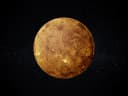
Sun – Venus: Identity, love and charm
The Sun–Venus relationship indicates how personal identity, love, pleasure, taste, beauty and charm articulate together. It is the axis of conscious seduction, radiant beauty and warmth in relationships.
The Sun conjunct Venus gives a remarkable personal charm, a natural need to love and to be loved, a taste for the beautiful and a capital importance of relational quality in the construction of identity. There is an ease in pleasing.
The Sun sextile Venus eases the harmonious expression of self, natural sociability, personal aesthetics and the capacity to create an agreeable and pleasant bond. Grace accompanies radiance.
The Sun square Venus can oppose the desire to please and the raw truth of identity. There can be tension between confident personal assertion and the search for harmony or approval. A struggle between self-esteem and external validation.
The Sun trine Venus favours a gentle, seductive, harmonious and naturally agreeable radiance. Being expresses itself with grace and generosity. There is a beauty that emanates from inner assurance.
The Sun opposed Venus sometimes places self-esteem and the need for love in tension, or personal identity and affective validation. One may seek romantic approval at the expense of personal assertion.

Sun – Mars: Will and action
The Sun–Mars relationship speaks of the link between conscious will and action, between identity and combativeness, radiance and power of initiative. It is the axis of the force to act, of courage and of vitality set in motion.
The Sun conjunct Mars gives a remarkable vital energy, courage, intensity of action and a strong will of assertion. It can also increase impulsiveness, involuntary aggressiveness or ego conflicts. The temperament is combative.
The Sun sextile Mars favours fluid and efficient action, a good capacity to undertake and a natural setting in motion of personal potential. Energy serves radiance.
The Sun square Mars often creates a tension between willing and really acting, with a risk of impatience, irritation, inner struggle or direct conflicts with others. There is an ardour to temper.
The Sun trine Mars gives a natural power of action, stable courage and a will that easily sets itself in motion. Energy is directed constructively.
The Sun opposed Mars can create a conflictual relationship to assertion, power or action, often projected into the relationship or external struggles. Difficulty integrating one's own strength.

Sun – Jupiter: Will and expansion
The Sun–Jupiter relationship speaks of expansion, confidence, growth, optimism and the relationship to success and generosity. It is the axis of amplification and universal benevolence.
The Sun conjunct Jupiter considerably amplifies the vital momentum, self-confidence, the need for expansion and often unshakable faith in oneself. It can also accentuate excess, immoderation, pride or naive overconfidence.
The Sun sextile Jupiter favours openness, enthusiasm, progressive success and a good capacity to see big without forcing. There is luck and natural protection.
The Sun square Jupiter can give overconfidence, an overestimation of oneself or a difficulty in measuring real limits. Risk of excessive spending or disconnected optimism.
The Sun trine Jupiter often offers natural generosity, breadth of vision, protection, just inner confidence and favourable radiance. There is harmony between ambition and means.
The Sun opposed Jupiter can place personal ambition and broad moral vision in tension, or produce excesses linked to the need for greatness. Difficulties with authority or overflow.

Sun – Saturn: Will and structure
The Sun–Saturn relationship speaks of structure, mastery, responsibility, endurance but also possible blockages in the construction of identity and the expression of radiance. It is the axis of maturity gained through discipline.
The Sun conjunct Saturn gives seriousness, depth, a powerful sense of duty and a will to build solidly. It can also rigidify self-expression or make one bear an important inner weight too early.
The Sun sextile Saturn helps to structure the will in a healthy way, to build durably and to develop a sober, credible and respected authority. There is early maturity.
The Sun square Saturn can create a wound of legitimacy, a chronic feeling of insufficiency or a difficulty radiating freely out of fear or self-doubt. A possible inferiority complex.
The Sun trine Saturn gives stability, seriousness, endurance and the capacity to assert oneself with maturity and without arrogance. There is a respected and deserved authority.
The Sun opposed Saturn often stages deep tensions with authority, the paternal figure, recognition or fundamental self-confidence. A possible paternal wound.

Sun – Uranus: Will and freedom
The Sun–Uranus relationship speaks of originality, freedom, rupture with conventions and the need to exist in a radically different way. It is the axis of paradoxical individuality and the desire for conscious transgression.
The Sun conjunct Uranus strongly accentuates independence, originality, the refusal of conformity and the need for a non-conforming identity. It can make one unpredictable or unstable in one's assertions.
The Sun sextile Uranus favours innovation, open-mindedness and a creative freedom well integrated into the personality. There is originality without eccentricity.
The Sun square Uranus often creates a tension between the need for identity stability and the impulse of rupture or rebellion. The subject may reject constraints too quickly or seek originality at all costs.
The Sun trine Uranus gives a natural inner freedom, a creative originality and a capacity to be authentically oneself without excessive struggle. There is genius.
The Sun opposed Uranus can stage major ruptures, oppositions to authority figures and a strong need for differentiation that can lead to isolation.

Sun – Neptune: Will and inspiration
The Sun–Neptune relationship speaks of inspiration, ideal, subtle sensitivity, powerful imagination but also a possible identity blur. It is the axis of transcendence and illusions.
The Sun conjunct Neptune gives an inspired sensitivity, a great receptivity, a strong imagination and artistic gifts. It can also create a difficulty in defining oneself clearly or keeping one's feet on the ground.
The Sun sextile Neptune favours inspiration, subtle creativity, spiritual sensitivity and openness to fine dimensions of existence. There is grace and inspiration.
The Sun square Neptune can create an identity confusion, a gap between ideal and reality or a difficulty in clearly embodying the will. A tendency to flight or illusion.
The Sun trine Neptune gives gentleness, inspiration, intuition and the capacity to radiate through a subtle, poetic and spiritual quality of presence.
The Sun opposed Neptune can place the centre of being and the ideal in tension, with a risk of projection, disillusion, loss of contour or confusion between self and other.

Sun – Pluto: Will and transformation
The Sun–Pluto relationship speaks of inner power, radical transformation, intensity, deep will and often the stakes of power, destruction and regeneration. It is the axis of death-rebirth.
The Sun conjunct Pluto gives an intense, powerful, often magnetic identity, with a great potential for radical transformation and personal reconstruction. It can produce deep identity crises.
The Sun sextile Pluto favours a constructive inner power, a good capacity to transform and regenerate oneself without self-destruction. There is resilience and sagacity.
The Sun square Pluto can produce power struggles, deep identity tensions, a compulsive need for control or major crises of identity transformation.
The Sun trine Pluto gives depth, inner strength, unillusioned lucidity and a natural power of regeneration. There is sagacity and moral authority.
The Sun opposed Pluto often stages the major stakes of power, domination, control or transformation through relationship, destiny or crises.
Frequently asked questions about Sun in astrology
What does the Sun represent in astrology?+
The Sun represents the deep identity, the conscious will, personal radiance and the vital force. It is the central core of the natal chart around which all the other energies organise themselves.
Is the Sun a planet in astrology?+
In astronomy, the Sun is a star. In astrology, it is classified as a luminary along with the Moon. It is often called a "planet" by convention, because it plays a central role in the natal chart.
What is the domicile of the Sun?+
The domicile of the Sun is Leo, where it fully expresses its radiance and creativity. It is in exaltation in Aries, in exile in Aquarius and in fall in Libra.
How to interpret the Sun in a natal chart?+
The Sun indicates what one seeks to become, the direction of life and the deep will. Its sign, its house and its aspects reveal how the person affirms their identity.
Are the Sun and the sun sign the same thing?+
The sun sign is the sign of the zodiac where the Sun was at birth. The Sun as a planet also has a house, aspects and dignities that enrich its interpretation.
Sun and sociability: magnetism and relationships
The Sun confers a personal magnetism that draws attention and interest rather than mere sympathy. Those who have a strong Sun arouse admiration before spontaneous affection. People want to follow them, listen to them, learn from them.
Solar sociability is not that of the Moon (emotional fusion) nor that of Venus (seductive charm), but the one that seeks strong personalities, that appreciates beings of stature and that naturally deploys an agreeable authority.
The Sun calls for natural persuasion and the rhetoric of benevolent authority. Those who possess a well-placed Sun can convince by their mere presence and conviction, without aggressiveness.
Solar magnanimity is a capacity to show oneself generous, noble of heart and capable of greatness. It goes hand in hand with a certain integrity and a healthy pride that repels pettiness.
In groups, the Sun naturally seeks a directing role or at least a position of visibility. It needs to be seen, recognised and to exert influence. This tendency can be healthy (responsible leadership) or harmful (constant need to be the centre of attention).
The Sun often has a charm that makes itself desired: the person does not make themselves easily available, cultivates a certain real or affected reserve, and this accentuates their appeal. One seeks them more than one pursues them.
Solar sensitivity to criticism or ego wounds is very marked. Even an ambiguous compliment can offend. The Sun must learn to discern constructive criticism from personal attack.
Solar relationships are often hierarchical: there are those one admires and follows, those one slightly dominates, and equals. The balance between equal positions requires work to avoid domination.