0°
Conjunction
The transiting planet “sticks” to the natal point: amplification, kick-off, spotlight. It's a reset.
fusionnew cycleintensification
Tips
- name the stake
- set a clear intention
- channel it into a concrete action
Astrology course — Timing & reading the sky
A 100% method page: how to read a transit cleanly, how to set priorities, which orbs to use, and how to interpret planet by planet without slipping into vagueness.
Definition
An astrological transit is the passage of a moving planet over a sensitive point of the natal chart; it temporarily activates an area of life and is read according to the house, the aspects formed and the planet's speed.
Do you want to learn to read transits in astrology with a real method? Most online resources stay vague about orbs, the hierarchy of the planets and concrete interpretation. This complete guide gives you the golden rules, the key aspects and a planet-by-planet reading so you can interpret each transit with rigour.
Definition
What it's for
Golden rules
Checklist
Orbs (simple + pro)
Orbs depend on experience and context. You can start simple and refine afterwards.
The “stronger” the natal body (Sun/Moon/ASC/MC), the wider the orb you can allow.
0°
The transiting planet “sticks” to the natal point: amplification, kick-off, spotlight. It's a reset.
Tips
60°
A door that opens: it helps, but you have to act. A light yet real opportunity.
Tips
90°
Useful conflict: friction that forces growth. It shows where the system is too rigid.
Tips
120°
Natural flow: things move smoothly. Very good for consolidating and stabilising.
Tips
180°
What stands opposite reveals an imbalance: the other, the world, the constraint. It calls for integration.
Tips
fast • days
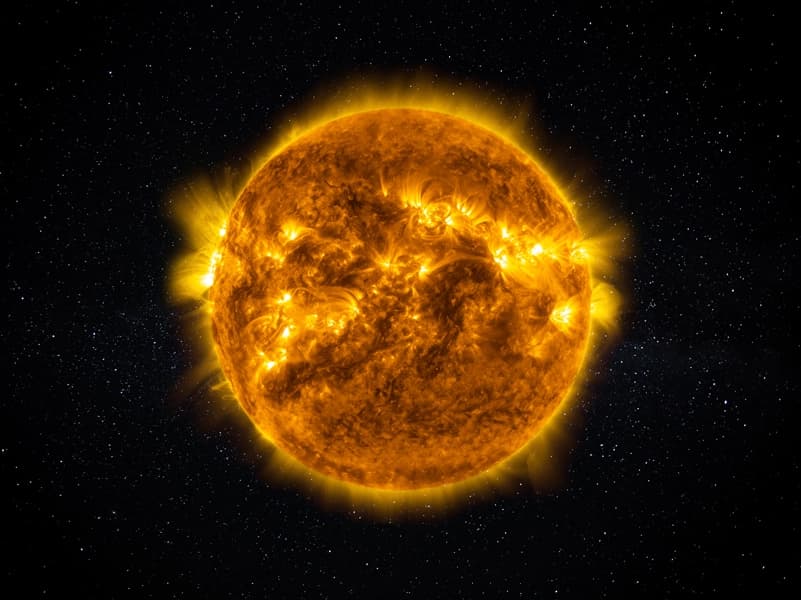
Trigger of clarity: identity, direction, will.
When it's strong
Mantra: I re-centre myself and I choose.
fast • hours/days
Emotional weather: needs, security, reactivity.
When it's strong
Mantra: I listen to my need without merging with it.
fast • days/weeks
Thought & communication: decisions, exchanges, contracts, journeys.
When it's strong
Mantra: I clarify before I accelerate.
fast • weeks
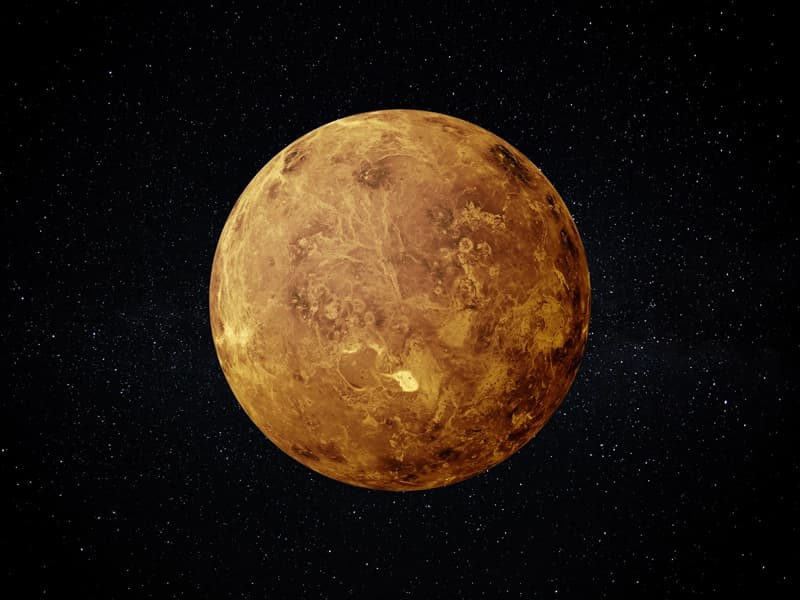
Value & relationship: harmony, desire, money, aesthetics.
When it's strong
Mantra: I choose what nourishes my worth.
fast • weeks
Action & desire: energy, courage, conflict, initiative.
When it's strong
Mantra: I act cleanly, without burning out.
social • months
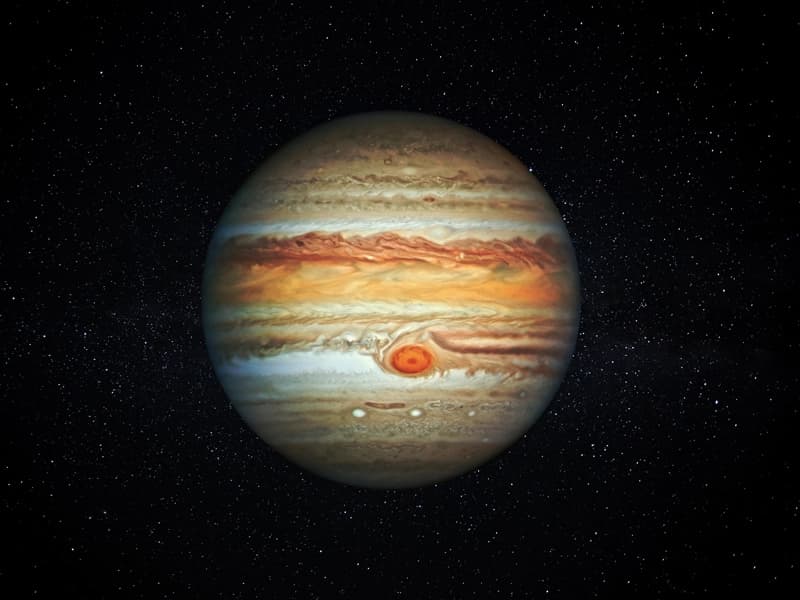
Expansion & meaning: growth, protection, vision.
When it's strong
Mantra: I expand without losing my compass.
social • months/years
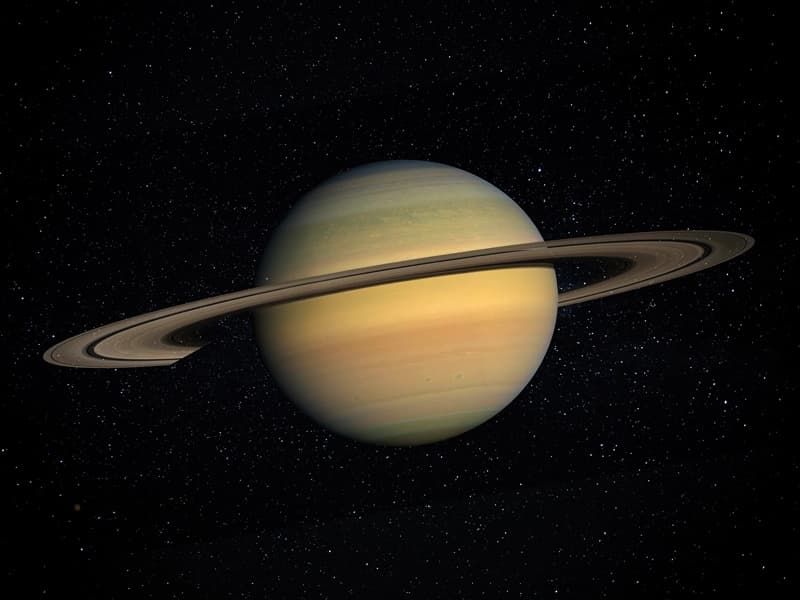
Structure & reality: responsibility, limits, maturity.
When it's strong
Mantra: I build what lasts.
transpersonal • years
Liberation & rupture: novelty, the unexpected, awakening.
When it's strong
Mantra: I change without breaking what is essential.
transpersonal • years
Dissolution & ideal: inspiration, empathy, haze, faith.
When it's strong
Mantra: I keep my feet on the ground and my heart open.
transpersonal • years
Transformation & power: crisis, depth, metamorphosis.
When it's strong
Mantra: I transform myself instead of resisting.
Interpreting a transit = transiting planet (the verb) + natal planet (the function touched) + aspect (the dynamic) + house (the setting).
Fast transiting planet → trigger
The Sun/Mercury/Venus/Mars trigger, pinpoint, accelerate. They give dates and concrete events.
Social planets → stages
Jupiter/Saturn mark cycles: expansion, consolidation, a useful ordeal. Very visible in everyday life.
Transpersonal planets → chapters
Uranus/Neptune/Pluto change the structure of the character. We often speak of years, not weeks.
Examples
Saturn square natal Venus
A test of value and relationship: you clarify what is solid, you renegotiate what is hazy. Less “immediate pleasure”, more real commitment.
Jupiter conjunct natal Sun
A period of confidence: visibility, expansion, opportunity. Beware of promises that are too big: keep a direction.
Pluto on the ASC
Identity metamorphosis: a change of image, of relationship to the body, of way of existing. Intensity, truth, a natural sorting.
Do you absolutely need an exact birth time?
For the angles/houses, yes, it's ideal. Otherwise you can already work very well with the main planets and aspects.
Do retrogrades change everything?
They repeat and deepen. You often see a “back and forth”: understand, review, decide, then confirm.
Transits or progressions?
Transits = external weather + timing. Progressions = inner maturation. Together: very powerful.
An astrological transit is the passage of a moving planet over a point of the natal chart. To read it, you identify the planet (what), the activated house (where), the aspects formed (how) and the duration of the passage. Slow transits (Saturn, Uranus, Pluto) have more impact than fast ones.
Orbs depend on the planet: about 1 to 2 degrees for slow transits (Saturn to Pluto) and up to 5 degrees for the luminaries. The tighter the orb, the more concentrated the effect. The conjunction and the opposition call for slightly wider orbs than the square or the trine.
Fast transits (Sun, Moon, Mercury, Venus, Mars) last a few days to a few weeks and activate one-off events. Slow transits (Jupiter to Pluto) last months or even years and bring deep, structuring transformations. See also retrogrades to understand the back-and-forth motion.
Prioritise slow transits on the sensitive points: Sun, Moon, ASC, MC and the lunar nodes. Then look at the exact aspects (conjunction, opposition, square). Finally, cross-reference with the fast transits to fine-tune the timing of events.