The Moon in the signs: emotions and the need for safety
Your Moon sign reveals your core emotional need, your inner safety and your protective reflexes. The complete guide to the 12 Moons, sign by sign.
Emotions · Inner safety · Emotional memory
There is the person you are when everything is fine. And there is the one who shows up at 11 p.m., when you are tired, hurt or worried. That second person is your Moon.
Your Sun sign describes who you are trying to become. Your Moon describes what you need in order to stay standing — and what you do automatically when that need goes unmet. It is the least chosen part of the natal chart, and by far the most decisive one day to day.
Body
The Moon
What it describes
The emotional need
Key question
What do I need in order to feel safe?
Definition
The Moon in astrology represents the fundamental emotional need, the way a person feels safe and their protective reflexes. Its sign in the natal chart shows what someone needs in order to be well and how they react when that need is not met. The Moon changes sign roughly every two and a half days: two people born on the same day can have two different Moons.
What the Moon really describes (and what it does not)
Most articles will tell you the Moon represents “emotions”. True, but far too vague to be useful. A sharper definition fits in one sentence: the Moon describes what you do automatically in order to feel safe.
It is not a choice. It is a reflex, installed very early, before language, and it fires without passing through thought. When someone is tired, stung, anxious or in love, they do not respond with their Sun sign: they respond with their Moon. That is why the Moon is the easiest part of a chart to verify in real life — and often the most unsettling to discover.
What the Moon describes
- the baseline emotional need, the one that is not negotiable
- how you reassure yourself, comfort yourself, withdraw
- emotional memory: what the body kept from childhood
- the inner climate, the background mood, the rhythm
- how you care for others — we tend to care the way we would like to be cared for
What the Moon does not describe
- today’s mood — that is the Moon by transit, not the natal Moon
- your love style: that is Venus
- how you desire and take action: that is Mars
- your visible personality: that is the Rising sign
- your worth, your maturity or your mental health
The Sun says “this is where I am going”. The Moon says “this is what I need in order to get there”. When the Moon is not fed, the Sun stops moving. It really is that simple.
Sun, Moon, Rising: who does what in your chart
These three points form the tripod of any natal chart. Confusing them is the most common mistake, and the reason horoscopes never sound like anyone.
| Point | It answers… | When it shows | If you ignore it |
|---|---|---|---|
| Sun | Who I want to become | In life choices, over the long run | Boredom, the feeling of living beside your own life |
| Moon | What I need in order to feel well | When you are tired, hurt, in a relationship, unwell | Exhaustion, somatising, the same conflicts on repeat |
| Rising sign | How I approach the world | In the first five minutes of any meeting | Never quite feeling understood at first sight |
A telling example: someone with a Sagittarius Sun and a Cancer Moon dreams of six months in Asia… and cries on the third day because they miss their own kitchen. Both are true. That is not a contradiction, it is an architecture.
Reading your Moon in 5 steps (the full method)
A Moon is never read from the sign alone. Here is the order serious astrologers use — from the most general to the most precise. Keep it at hand: it works for any planet.
1. The sign — the colour of the need
It gives the nature of the need: material safety, truth, freedom, recognition. That is what the long section below unpacks. The sign answers: what do I need?
2. The house — the ground where the need plays out
3. The aspects — ease or friction
4. The phase — the relationship to the Sun
The angular distance between the Moon and the Sun at birth gives the natal lunar phase: new Moon, first quarter, full Moon and so on. It describes the relationship between identity and need, between instinct and awareness. Most readings skip it. That is a mistake.
5. Dignity and speed — the state of the Moon
Is the Moon at home (Cancer), exalted (Taurus), in detriment (Capricorn), in fall (Scorpio)? Was it moving fast or slowly on the day of birth? These technical details refine everything. See planetary rulerships.
The sign gives the need, the house gives the ground, the aspects give the lived reality. A reading that skips two of those three floors is not an interpretation, it is a horoscope.
Finding your Moon — and the birth-time trap
The Moon is the fastest body in the sky: it moves 12 to 15 degrees a day and crosses a sign in roughly two and a half days. It circles the zodiac in 27.3 days. The direct consequence: your Moon cannot be deduced from your birth date alone.
Average speed
≈ 13° per day
Time in one sign
≈ 2.5 days
Full zodiac cycle
27.3 days
If you were born on a day the Moon changed sign, one hour is enough to shift you from a Leo Moon to a Virgo Moon — two opposite emotional worlds. That is the case for roughly one birth in three. Hence the procedure:
You know your birth time
Calculate your natal chart: the Moon’s position will be exact to the degree, and you will also be able to read its house and its aspects. That is the only complete reading.
You do not know it
Calculate the chart for noon. Two cases:
- The Moon stays in the same sign all day — your Moon sign is reliable and you can read this guide without reservation. You will only be missing the house.
- The Moon changes sign that day — read both portraits below and see which one describes what you do when things go badly, not what you would like to be. The answer is almost always obvious.
To identify a Moon, never ask “what are you like?”. Ask: “what do you actually do in the ten minutes after something upsets you?” Do you call someone, tidy up, go for a walk, eat, go silent, analyse, slam a door? That raw, unfiltered reaction is your Moon.
The 12 Moons at a glance
An overview to skim. Each row unfolds into a full portrait below.
| Moon in… | Core need | Feels safe when… | Shuts down when… | Keyword |
|---|---|---|---|---|
| Aries | To act right now | It can react without asking permission | It is slowed down or mothered | Impulse |
| Taurus | For nothing to change | Daily life is steady and the body is at ease | Sudden change, material insecurity | Constancy |
| Gemini | To put things into words | It understands what is going on and can talk about it | Silence, unspoken things, a closed room | Explanation |
| Cancer | To belong | There is a place, people, continuity | Rejection, indifference, uprooting | Attachment |
| Leo | To matter to someone | It is seen, chosen, acknowledged | Humiliation, indifference, comparison | Recognition |
| Virgo | To be useful, and for things to be tidy | Things are in order and predictable | Chaos, the unexpected, feeling useless | Adjustment |
| Libra | Harmony in the bond | The other person is fine and the mood is gentle | Open conflict, tension, roughness | Agreement |
| Scorpio | The truth, unfiltered | Nothing is hidden and the bond goes all the way | Lies, lukewarmness, betrayal | Depth |
| Sagittarius | Space and meaning | The horizon stays open | Confinement, control, pettiness | Momentum |
| Capricorn | To stand on its own | It is in control, it carries the load, it owes nothing | Forced dependence, emotional flooding | Mastery |
| Aquarius | To keep its freedom and its clarity | It can step back whenever it wants | Possessiveness, fusion, emotional blackmail | Distance |
| Pisces | To connect to something larger | The bond is soft, porous, without aggression | Harshness, cynicism, the brutality of reality | Merging |
This table gives the general colour. It does not replace the house and the aspects: two people with the same Moon sign can lead very different emotional lives.
The 12 Moons in depth
Every portrait follows the same frame: the need, what soothes it, what tips it over, how it loves, the childhood memory, the trap, the lever — and the line it hears wrongly. Read yours first; then read the one belonging to the person you live with. That is usually where things click.
fire · cardinal
Moon in Aries
“I react, therefore I am fine”
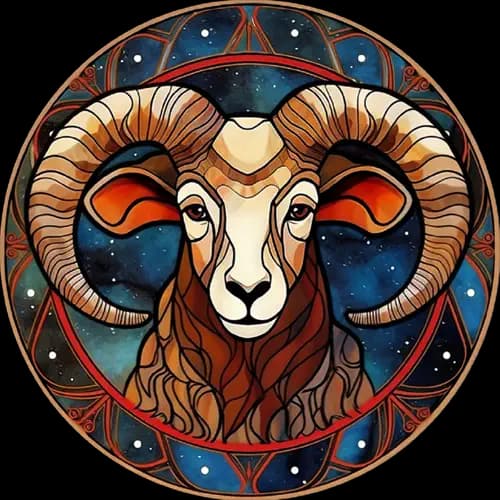
Emotion arrives in one block, with no warning, and leaves just as fast. This Moon does not ruminate: it discharges. It needs something to move in order to feel alive, and readily mistakes intensity for safety.
Core need: to act immediately, without asking permission.
Feels safe when: it is free to say no, to leave, to decide.
Tips over when: it is slowed down, mothered, told to wait.
In love: blunt to the point of bruising, incapable of pretending. Quick anger, zero grudge. It needs to be answered, not soothed.
The memory: an environment where you had to react fast, defend yourself alone and never show fear.
The trap: treating every emotion as an emergency to settle within the minute.
The lever: twenty seconds between the feeling and the action. Twenty seconds are enough.
Told wrongly: “you are aggressive”. No: they are fast, and other people’s slowness frightens them.
earth · fixed
Moon in Taurus
“As long as nothing moves, I am fine”
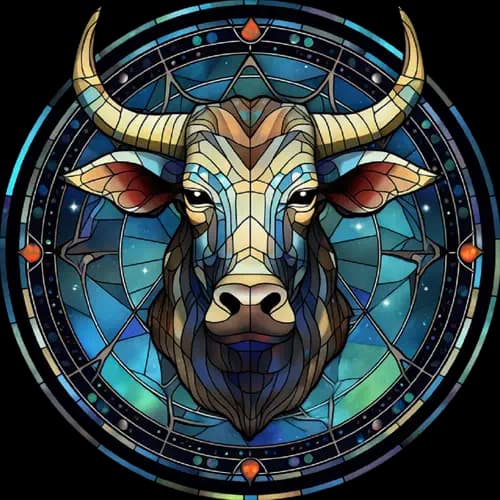
This is the steadiest Moon of the zodiac — tradition calls it exalted, meaning at its best. It digests slowly, does not panic, and brings every emotion back to something concrete: the body, the meal, the bed, the bank account.
Core need: continuity. For tomorrow to look like today.
Feels safe when: daily life is steady, the body is at ease, the home is in order.
Tips over when: change is sudden, imposed, or threatens material security.
In love: reassured by regularity far more than by declarations. It measures love in presence, in repeated gestures, in skin.
The memory: safety was counted in physical presence and tangible things — or was cruelly missing.
The trap: mistaking comfort for happiness, and staying ten years in a situation that no longer hurts but no longer does anything either.
The lever: rituals that are chosen rather than endured: they truly nourish without immobilising.
Told wrongly: “you are materialistic”. No: they need ground under their feet before they can feel anything at all.
air · mutable
Moon in Gemini
“If I can explain it, I can bear it”
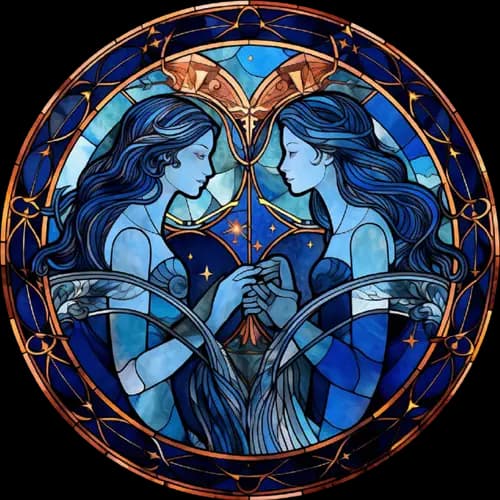
This Moon routes every emotion through language. It names, comments, narrates — and calms down by understanding. Its anxiety is mental: it circles, it hunts for the missing piece of information, it does not sleep while an unspoken thing lingers.
Core need: to put things into words. All of them. Right away.
Feels safe when: it understands what is happening and can tell someone.
Tips over when: people go quiet, sulk, or withhold information.
In love: needs to talk in order to feel loved. A conversation is worth an embrace. Prolonged silence is experienced as abandonment.
The memory: a child who reassured the household by explaining, translating, bridging between adults.
The trap: commenting on the emotion instead of going through it. One can talk for years beside what one actually feels.
The lever: writing instead of rehashing, and agreeing to sit ten minutes inside a feeling without naming it.
Told wrongly: “you are superficial”. No: they handle pain from above, because that is the only place they know how to hold it.
water · cardinal
Moon in Cancer
“I belong, therefore I exist”
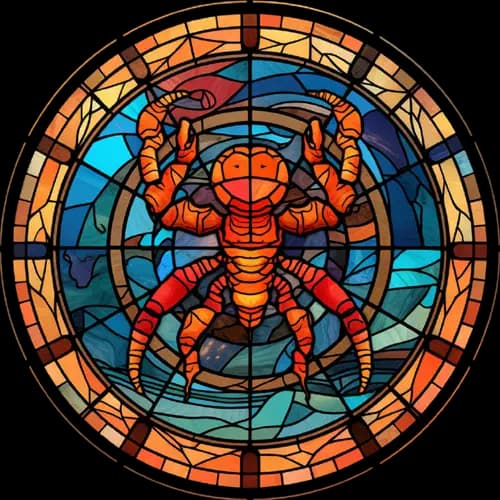
Here the Moon is at home: this is its rulership. Everything is amplified — sensitivity, memory, the protective instinct. This Moon feels before it understands, and it is rarely wrong.
Core need: to belong to someone, to a place, to a story.
Feels safe when: the bond is stable and there is a home to come back to.
Tips over when: it senses the slightest cooling. Its radar is merciless.
In love: nurtures, anticipates, protects. It gives a great deal and waits for others to guess what it does not dare ask for.
The memory: oversized. It remembers the exact tone of a sentence spoken fifteen years ago, and what it was wearing that day.
The trap: feeding the other person so as not to be left, then quietly resenting not receiving as much.
The lever: asking clearly, once, instead of hoping for a long time.
Told wrongly: “you are fragile”. No: they are often the most solid person in the family when a crisis hits.
fire · fixed
Moon in Leo
“If I matter to you, everything is fine”
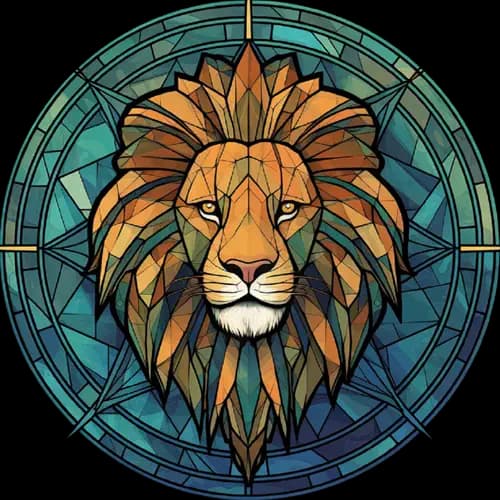
This Moon needs a gaze. Not an audience — a gaze. It warms up when it is chosen and freezes when it feels like a rounding error. Its generosity is real, and always slightly addressed to someone.
Core need: to matter to someone, and to know it.
Feels safe when: it is seen, named, preferred.
Tips over when: it is humiliated, ignored, or compared to someone else.
In love: loyal, warm, slightly theatrical. It needs mutual admiration, and silence costs it more than conflict.
The memory: it existed through what it gave, what it achieved, what it made shine in others.
The trap: mistaking attention for love, then asking for a little more each time to make sure.
The lever: asking for recognition instead of endlessly trying to earn it.
Told wrongly: “you are self-centred”. No: they need to be seen in order to give — and they give enormously.
earth · mutable
Moon in Virgo
“If it is tidy, I can breathe”
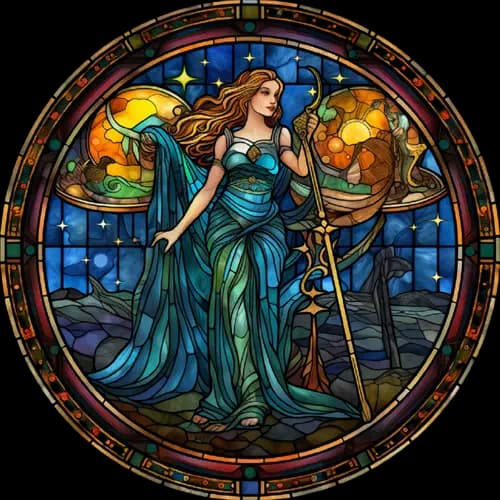
This Moon’s anxiety is not spoken, it is organised. Tidying, sorting, correcting, planning ahead: those are its soothing gestures. It expresses affection through service, and feels loved when someone pays attention to the details that concern it.
Core need: to be useful, and for things to be clean.
Feels safe when: the frame is predictable and there is a task to complete.
Tips over when: everything is chaos, unplanned, or it feels useless.
In love: shows love through concrete acts and struggles with grand words. It corrects what bothers it instead of saying it is afraid.
The memory: it learned very early that affection was earned by being good, helpful and beyond reproach.
The trap: criticism — its own and other people’s. It is anxiety talking, never contempt.
The lever: naming the worry out loud before correcting anyone. The body, too, speaks fast on its behalf.
Told wrongly: “you are cold”. No: they are reserved, and they have already made you dinner.
air · cardinal
Moon in Libra
“If the mood is good, I am fine”
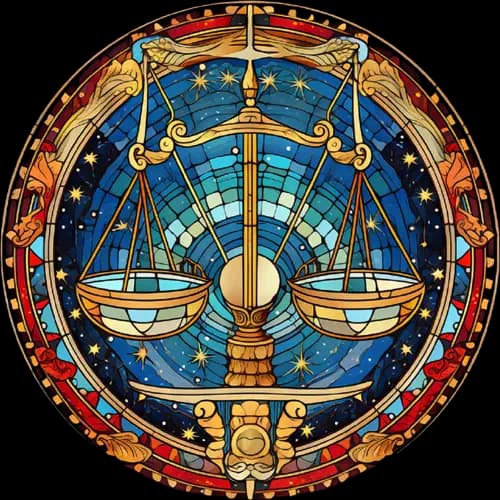
This Moon calibrates itself on other people like a thermostat. It picks up tension in a room instantly and takes it upon itself to dissolve it. Its need is not to be loved: it is for the air to be breathable.
Core need: harmony in the bond, elegance in relations.
Feels safe when: the other person is fine and nothing grates.
Tips over when: conflict breaks out, or a choice means disappointing someone.
In love: attentive, accommodating, remarkably good at adjusting. It says yes too quickly and presents the bill much later.
The memory: a mediating child, often placed between two adults whose mood it monitored.
The trap: no longer knowing what it feels when alone, with no one to calibrate on.
The lever: voicing disagreement early and small, before it becomes a clean break.
Told wrongly: “you are indecisive”. No: they are weighing the relational cost of each option, and it is real.
water · fixed
Moon in Scorpio
“Tell me the truth, even if it hurts”
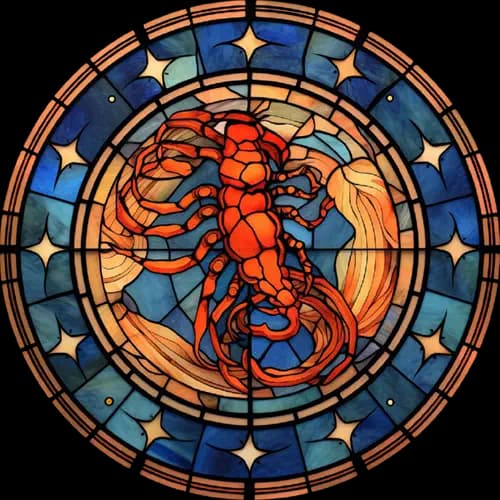
Tradition speaks of fall: the need for safety is the least comfortably housed here. This Moon knows no half measures. It feels everything at extreme intensity, and shows as little of it as possible.
Core need: truth and depth. Anything superficial suffocates it.
Feels safe when: nothing is hidden and the bond goes all the way.
Tips over when: it detects a lie, a lukewarmness, an exit route.
In love: all or nothing. It tests, often without knowing, to check that you stay. Its loyalty, once given, is total.
The memory: something unspoken in childhood — a secret, a disappearance, a forbidden subject it sensed without being told.
The trap: control, jealousy, then the radical and final cut. It does not slam the door: it walls it up.
The lever: saying the intensity out loud instead of carrying it alone. Put into words, it becomes a rare strength.
Told wrongly: “you are toxic”. No: they demand a level of authenticity very few people can sustain.
fire · mutable
Moon in Sagittarius
“As long as there is a horizon, I can breathe”
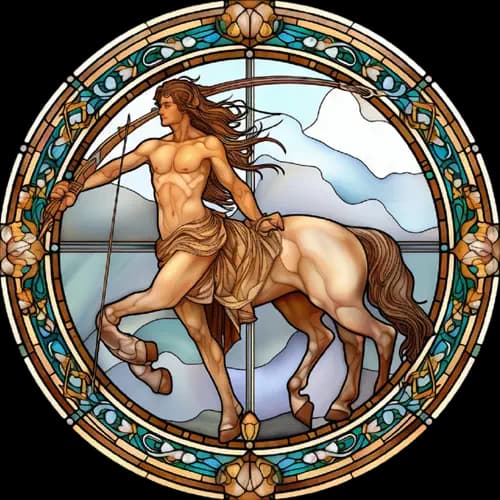
This Moon reassures itself through meaning. It turns sorrow into a lesson, failure into experience, a break-up into a journey. That is a genuine strength — and sometimes a very well-disguised escape.
Core need: space, movement, and a reason to believe it is worth it.
Feels safe when: the horizon stays open and a door is always available.
Tips over when: it is confined, monitored, or its world is made smaller.
In love: warm, generous, funny. It loves a great deal, provided it is not kept on a leash.
The memory: a family that moved a lot, or on the contrary a closed world it had to escape through imagination.
The trap: converting every sadness into a project and never sitting down inside what hurts.
The lever: staying. One hour, one evening. Without leaving, without reframing, without a joke.
Told wrongly: “you do not care”. No: they absorb by moving forward, because stopping frightens them.
earth · cardinal
Moon in Capricorn
“I have got this, do not worry about me”
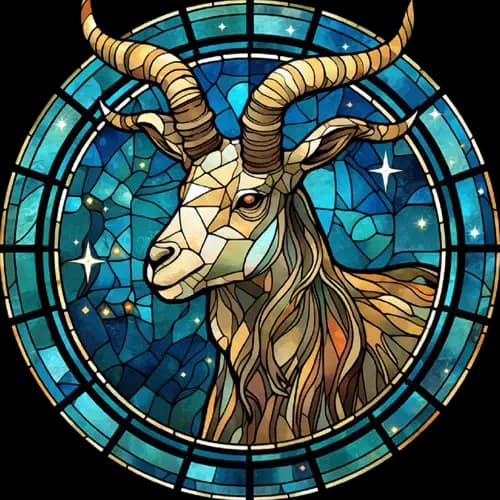
Tradition calls it in detriment: the emotional need is the least spontaneously expressed here. This Moon shuts the tap and holds. In adulthood it is often the most reliable in the zodiac — and the loneliest.
Core need: to stand upright without depending on anyone.
Feels safe when: it is in control, carrying the load, holding a clear responsibility.
Tips over when: it is put in a position of dependence or emotional flooding.
In love: undemonstrative, extremely faithful. It proves through duration what it will never say in words.
The memory: it grew up too fast. An absent, ill or overwhelmed parent, or a very early demand for seriousness.
The trap: believing that asking for help is an admission of weakness — and collapsing alone, silently, very late.
The lever: accepting one piece of help a week. Just one. It is training, not surrender.
Told wrongly: “you are unfeeling”. No: they are reserved, and they will still be there in twenty years when everyone else has gone.
air · fixed
Moon in Aquarius
“Let me breathe and I will come back”
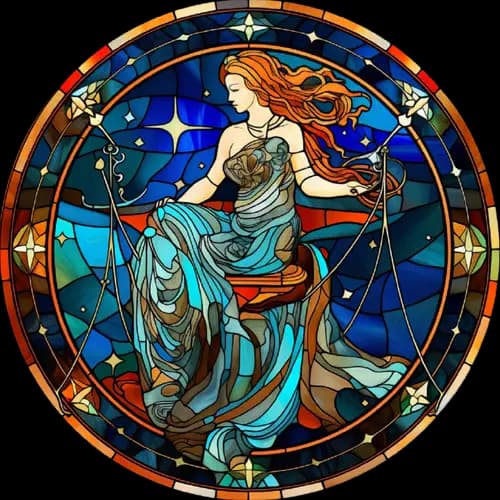
This Moon watches its own emotion from the ceiling. It understands perfectly what it feels — and feels it with a slight delay, as though it belonged to someone else. That is its protection.
Core need: freedom and clarity. Being able to step back at will.
Feels safe when: no one demands an account of what it feels.
Tips over when: it is possessed, crowded, emotionally blackmailed.
In love: loving friendship, fidelity chosen rather than owed. It needs a space of its own in order to stay present.
The memory: it felt different very early — an unusual family, or a strangely cold emotional climate it had to rationalise.
The trap: intellectualising until nothing is felt, then breaking off abruptly, cleanly, with no way back.
The lever: five minutes in the body, without commentary. Breath before analysis.
Told wrongly: “you are detached”. No: they hold at arm’s length whatever reaches them too deeply, and it reaches them deeply.
water · mutable
Moon in Pisces
“I feel everything, including what is not mine”
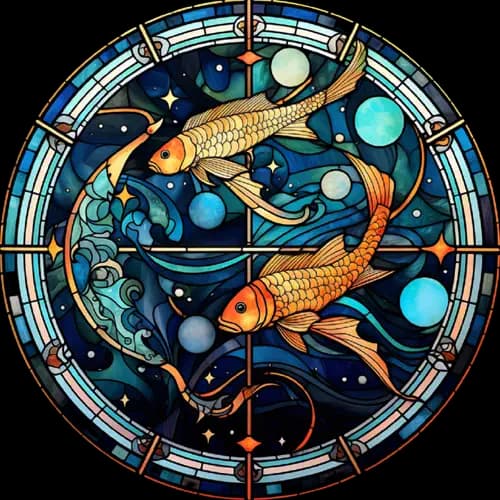
An emotional sponge. This Moon picks up the state of a room on entering it and cannot always tell what belongs to it from what it has absorbed. Hence its immense compassion — and a tiredness that is hard to explain.
Core need: to connect to something larger: art, care, silence, love.
Feels safe when: the bond is gentle, porous, without aggression or demand.
Tips over when: reality turns hard, cynical or brutal. It dissolves.
In love: devoted, intuitive, romantic. It sees the other as they could become, which is as beautiful as it is dangerous.
The memory: it picked up the household’s emotions very early, including the ones nobody put into words.
The trap: carrying other people’s feelings, rescuing, then escaping — into daydream, idealisation or worse.
The lever: one question, several times a day: is this mine? Everything changes when the answer is no.
Told wrongly: “you are weak”. No: they absorb what most people do not even perceive.
None of these portraits is a fate. They are protective mechanisms, learned when we had no other option. Recognising them is already the end of being ruled by them: you can keep the need and change the reflex. That, quite precisely, is the work of astrological psychology.
When the Moon contradicts the Sun: the most useful tension in the chart
This is where astrology gets genuinely interesting. The Sun points to a direction; the Moon to a need. When the two sit in incompatible elements, a person spends their life wanting one thing and needing its opposite. That is not a manufacturing defect: it is the engine of a life.
Sun and Moon in the same element
Strong inner coherence: what the person wants and what they need pull the same way. They move fast and know themselves well… and sometimes lack a counterweight. Little inner conflict also means little self-distance.
Fire with Air, Earth with Water
Allied elements. Fire needs Air to burn, Earth needs Water to be fertile. The Moon supports the solar impulse instead of braking it: comfortable, and it makes for surprisingly steady people.
Fire with Water, Earth with Air
Sun and Moon in the same sign
Born around a new Moon: identity and need merge. Plenty of instinct and a very clear direction, but little distance from oneself. These people often discover themselves late — all at once, and intensely.
If you are exhausting yourself inside a life that, on paper, matches your goals: look at your Moon, not your Sun. Nine times out of ten, the lunar need is fed nowhere in your schedule.
The Moon in the houses: where you go looking for safety
The sign says what you need. The house says where you go looking for it — often the most actionable piece of the chart. Here are the twelve grounds, one line each.
- 1st house — safety comes through direct self-expression. The mood shows on the face, instantly.
- 2nd house — reassured by the concrete: money, what belongs to them. The relationship to money is emotional before it is rational.
- 3rd house — needs to talk, exchange, move around. Silence is a punishment.
- 4th house — a position of strength: home, family and roots feed the need directly. The house is not a backdrop, it is an organ.
- 5th house — refuels by creating, playing, loving, being around children.
- 6th house — safety through an ordered routine, useful work, the body. Emotions and health are closely tied here.
- 7th house — needs the other person in order to feel whole. The relationship is where everything happens; see synastry.
- 8th house — safety through intensity, transformation, what is deeply shared. Nothing lukewarm feeds it.
- 9th house — needs meaning, elsewhere, beliefs. Heals by widening the horizon.
- 10th house — the emotional life plays out in public, in the career, in reputation. See vocation in the natal chart.
- 11th house — reassured by the group, friends, collective projects.
- 12th house — needs withdrawal, silence, interiority. Immense sensitivity, rarely shown.
Moon aspects: what changes everything
An aspect is an angle between two planets. Applied to the Moon, it shows what eases or complicates access to the need. Hard angles (square, opposition) are not curses: they force you to build consciously what others receive for free.
Moon – Saturn
The need contracts. You learned not to be a nuisance, not to ask. Restraint, seriousness, an early sense of solitude — and real emotional maturity after 30. See the Saturnian profile.
Moon – Neptune
Maximum porosity. Compassion, intuition, art — but blurred boundaries, idealisation, difficulty telling what is yours. Classic ground for rescue relationships.
Moon – Pluto
Extreme intensity and control issues. Attachment engages everything. These Moons go through radical emotional transformations — see also coercive relational dynamics.
Moon – Uranus
An unpredictable need for independence. Clean break-ups, mood swings, horror of emotional routine. Great inner freedom, provided the rhythm is owned.
Moon – Mars
Immediate reactivity. Emotion comes out fast and frankly, sometimes too much so. Plenty of emotional courage, little patience.
Moon – Venus
Softness and a taste for harmonious bonds. Real charm, a need to please, little tolerance for relational ugliness.
An aspect never replaces the sign: it modulates it. A Taurus Moon square Uranus is still a Taurus Moon — its stability will simply be tested on a regular basis.
Your natal Moon phase
The phase is the angular distance between Sun and Moon at birth. It describes the relationship between identity and need — a layer of interpretation most mainstream readings ignore, although it speaks immediately. For the full mechanism, see the cycles of the Moon.
- New Moon (0–45°) — instinct, impulse, beginnings. Acts first, understands after.
- Crescent (45–90°) — struggle against the past, a drive to break free.
- First quarter (90–135°) — fertile crisis, a need to build, a taste for action.
- Gibbous (135–180°) — refinement, analysis, the search for the right meaning.
- Full Moon (180–225°) — awareness through others. Everything happens in relationship, in mirrors.
- Disseminating (225–270°) — a need to transmit, to teach, to share what has been understood.
- Last quarter (270–315°) — questioning inherited values, reorientation.
- Balsamic (315–360°) — closure, interiority, sensitivity to endings. Often mystical.
Domicile, exaltation, detriment, fall: what it actually means
These four words frighten beginners. They simply describe how comfortable a planet is in a given sign — not its value, and certainly not yours.
Domicile — Moon in Cancer
The Moon is at home. The need expresses itself naturally, sensitivity flows, instinct is reliable. Downside: little distance, difficulty letting go.
Exaltation — Moon in Taurus
The steadiest position in the zodiac. The need is simple to feed, the mood even, the presence calming. Downside: inertia.
Detriment — Moon in Capricorn
The emotional need finds no spontaneous outlet. You learn to do without what you did not receive. Upside: uncommon emotional reliability and endurance.
Fall — Moon in Scorpio
The need is lived at an intensity that is hard to regulate. Nothing is light. Upside: psychological depth and lucidity that nothing else replaces.
Detriment and fall do not mean “bad person” or “difficult life”. They flag a need that will have to be built consciously rather than received. In practice, these are often the strongest Moons in adulthood.
Cycles: Moon by transit, lunar return, progressed Moon
The Moon by transit — the two-and-a-half-day rhythm
Every two and a half days the Moon in the sky changes sign and colours the collective mood. That is what explains the days when “everyone is on edge” for no identifiable reason. It has nothing to do with your natal Moon: it is the weather, not the climate. Track the dates in the 2026-2027 lunar calendar.
The lunar return — every 27.3 days
Each month the Moon comes back to its exact natal position. Many sensitive people notice an emotional peak or a particular clarity around that date. It is the shortest and most verifiable of all transits.
The progressed Moon — a 27-year cycle
In secondary progressions the Moon moves about one sign every two and a half years and completes its round in 27 to 28 years. It describes the emotional climate of a life period: what you need right now, which is not what you needed three years ago. One of the most reliable — and gentlest — predictive tools there is.
The 6 most common mistakes about the Moon
1. Treating your Moon as your “real sign”
The Moon is not a hidden sign, more authentic than the Sun. It is a different function. You do not swap one for the other: you read them together.
2. Confusing the natal Moon with today’s Moon
Your natal Moon never moves. The Moon in the sky changes every two and a half days. Daily horoscopes talk about the second one; this guide is about the first.
3. Reading the Moon without the house
The sign without the house is a need with no address. You know what the person needs but not where they go looking for it — so you cannot give them anything useful.
4. Reducing the Moon to the mother
The Moon describes the function of care as it was received and integrated. That includes the mother, but also the general climate of childhood, and sometimes someone else entirely.
5. Believing a difficult Moon is a sentence
A hard aspect describes a learning curve, not a verdict. The most constrained part of a chart is very often where the person ends up most competent.
6. Interpreting someone else’s Moon for them
Two people with the same Moon sign do not live the same thing. History, the house and the aspects do the rest. A chart gives the structure, never the script.
Key takeaways
- 🌙 The Moon is the need, not the mood. It says what it takes for you to stay standing.
- 🌙 It shows when things go badly, not when all is well. That is the best identification test.
- 🌙 It changes sign every 2.5 days: without a birth time, the reading stays uncertain.
- 🌙 Sign + house + aspects: three floors, none of them optional.
- 🌙 No Moon is bad. Detriment and fall describe a need to be built, not a defect.
- 🌙 When the Moon is not fed, nothing else works — not the relationship, not the work, not the Sun’s projects.
If you keep only one question from this whole article, make it this one: what am I doing, concretely, this week, to feed my Moon? Not symbolically. Concretely. A Taurus Moon needs a real meal and a real night’s sleep; a Gemini Moon needs a conversation; a Capricorn Moon needs permission, just once, not to handle everything.
Frequently asked questions about the Moon in signs
How do I find out my Moon sign?
You need to calculate your natal chart from your date, time and place of birth. The Moon changes sign roughly every two and a half days, so the date alone is not enough — the time of birth is often decisive.
What does the Moon represent in a natal chart?
The Moon describes your basic emotional need, the way you feel safe, your protective reflexes and your emotional memory. Where the Sun says who you are trying to become, the Moon says what you need in order to be well.
What is the difference between the Sun, the Moon and the Rising sign?
The Sun is your conscious direction and identity. The Moon is your intimate need and emotional reflex. The Rising sign is how you approach the outside world. The three are always read together, never in isolation.
Can the Moon be in the same sign as the Sun?
Yes. It means the person was born around a new Moon. Identity and need then pull in the same direction: a great deal of inner coherence, but usually less self-distance and little inner counterweight.
Which is the most difficult Moon sign?
No Moon is bad. Tradition speaks of detriment in Capricorn and fall in Scorpio because the need for safety is the least spontaneously met there. In practice these are often the strongest Moons in adulthood, once the mechanism is understood.
Does the Moon describe the relationship with the mother?
It describes how care was received and integrated in childhood, which includes the mother but is not limited to her. It speaks of the emotional climate you came from and of what you learned to do in order to feel safe.
How long does the Moon stay in one sign?
About two and a half days. It travels through the twelve signs in 27.3 days and moves 12 to 15 degrees per day, which makes it the fastest body in the natal chart.
What if I do not know my birth time?
Calculate the chart for noon. If the Moon does not change sign that day, its sign is reliable. If it does change, weigh the two portraits against your lived experience, or have your birth time rectified.
Keep reading
To complete the emotional portrait, read Venus in the signs: your love style and Mars in the signs: desire and action. Moon, Venus and Mars form the complete relational triangle: the need, the taste, the drive.
If the Moon is dominant in your chart, the detailed Lunarian profile concerns you directly. And to place your Moon within the whole, start with what a natal chart is or browse the astrological dictionary.