Full & New Moon: The Lunar Cycles
New Moon and Full Moon in astrology: emotions, cycles, intentions, release, sleep, hypersensitivity. A simple and concrete method.
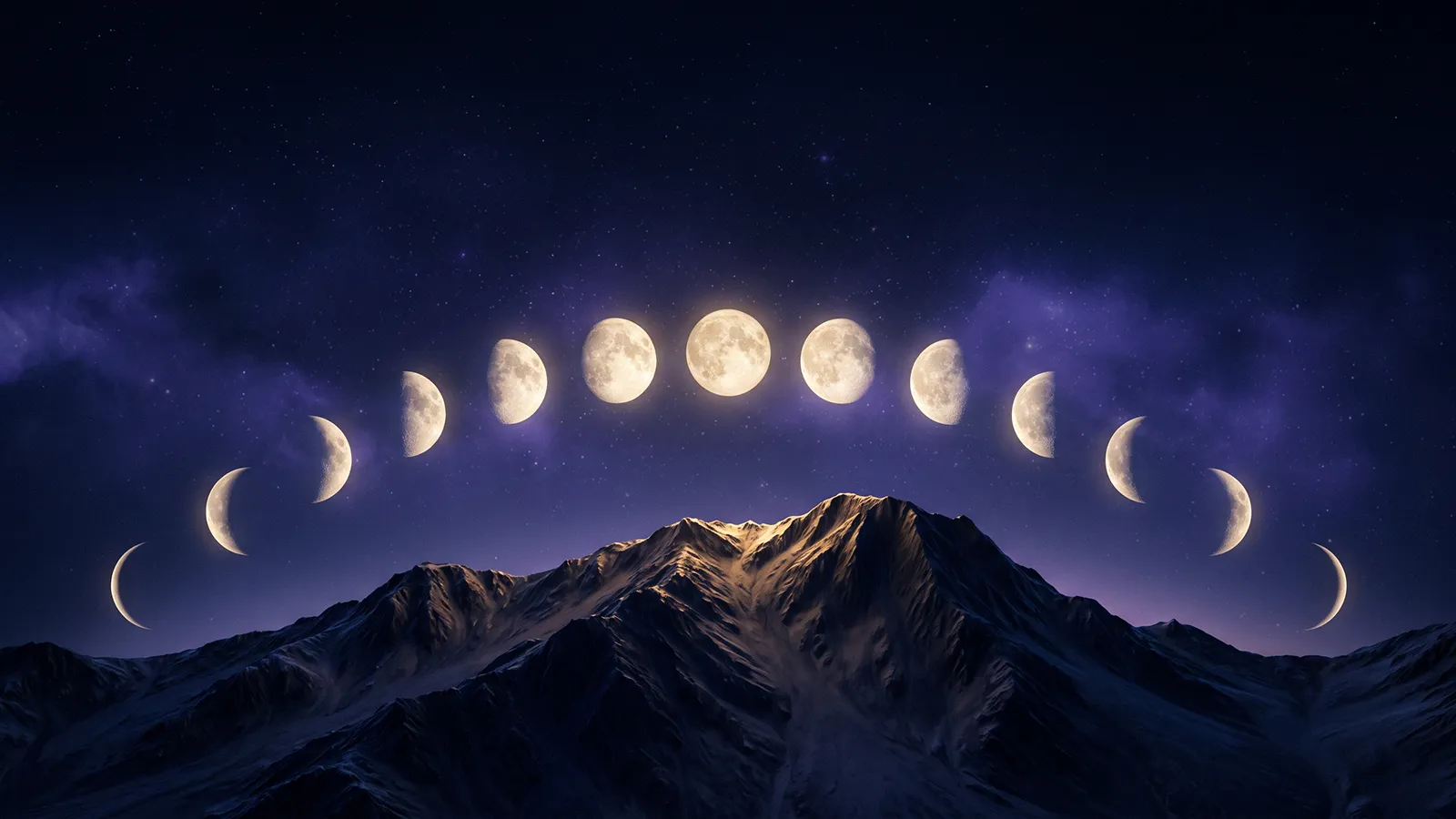
The Full Moon and the New Moon set the rhythm of your emotional energy every 29 days. In your natal chart, the Moon describes your inner world — and its cycles act like a breath.
The problem? Many people endure these phases without understanding them: disrupted sleep, frayed nerves, the urge to drop everything… then the guilt of “not coping”.
Here, you'll find a simple and concrete method to use each lunar phase to your advantage — without a complicated ritual, without superstition.
Celestial body
The Moon
What it describes
Emotions + security + intuition
Key question
What do I (really) feel?
Definition
The lunar cycles in astrology alternate between the new moon (Sun-Moon conjunction) and the full moon (Sun-Moon opposition). This 29.5-day rhythm influences collective energies, emotions and the right moments to act or to withdraw.
Do you feel « strange » at every full moon? You're not crazy — astrology explains it very well. The lunar cycles shape our energy, our emotions and our decisions far more than we think. This guide decodes the new moon and the full moon, their real effects and how to use them concretely.
1) The Moon in astrology: what does it represent?
The Moon speaks of your inner climate. It describes:
The Moon = your inner world. The Sun = your conscious identity. The lunar phases = a shared emotional weather.
2) The lunar cycle explained simply
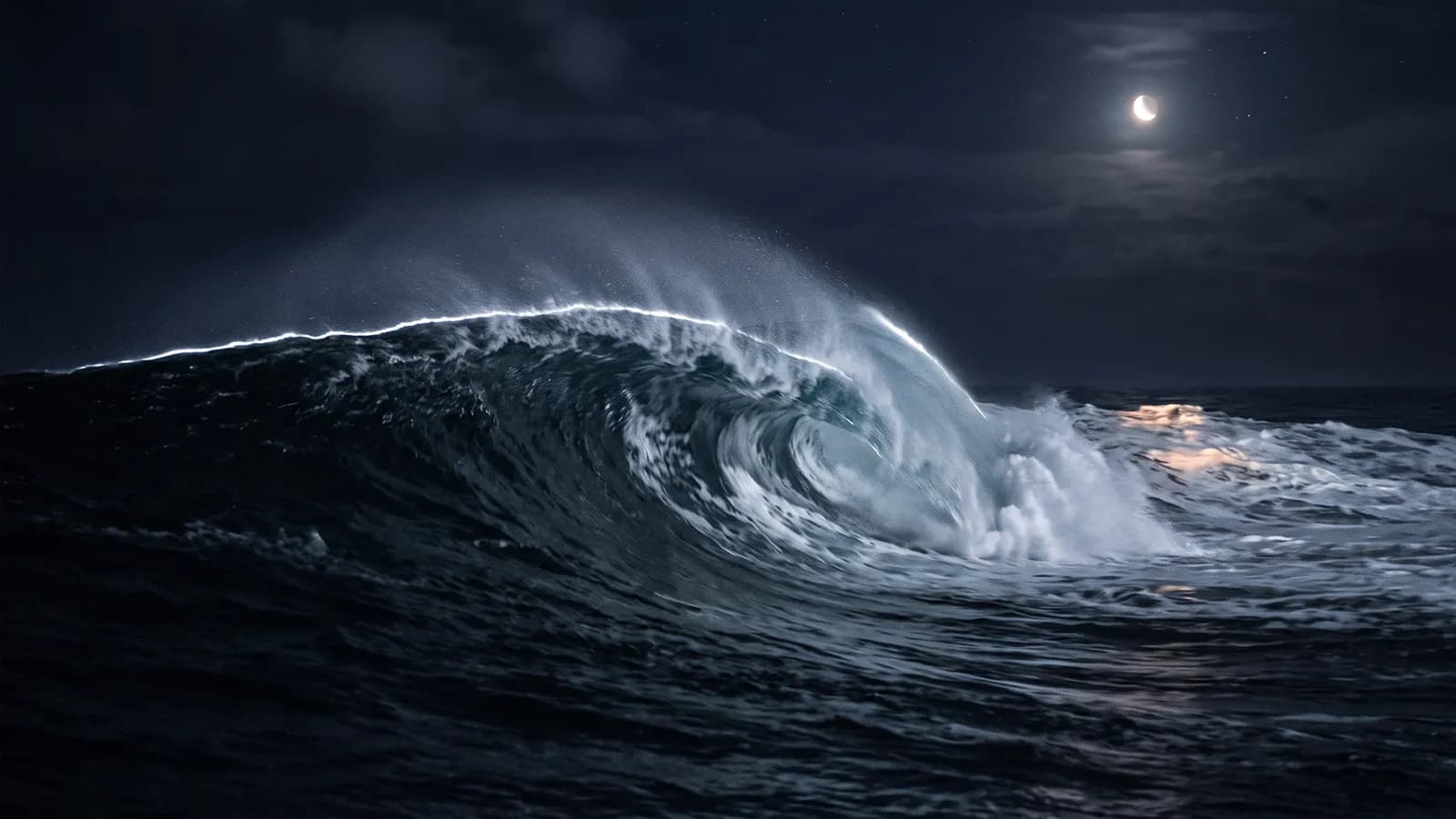
A 29-day wave
It rises, it peaks, it falls back. Just like you.
A complete cycle lasts about 29 days. The Moon behaves like a wave: it rises (building), reaches a peak (revelation), then falls back (sorting / release).
Observe yourself: you don't need to be “mystical”. You just need to be honest about your inner state.
3) The New Moon 🌑
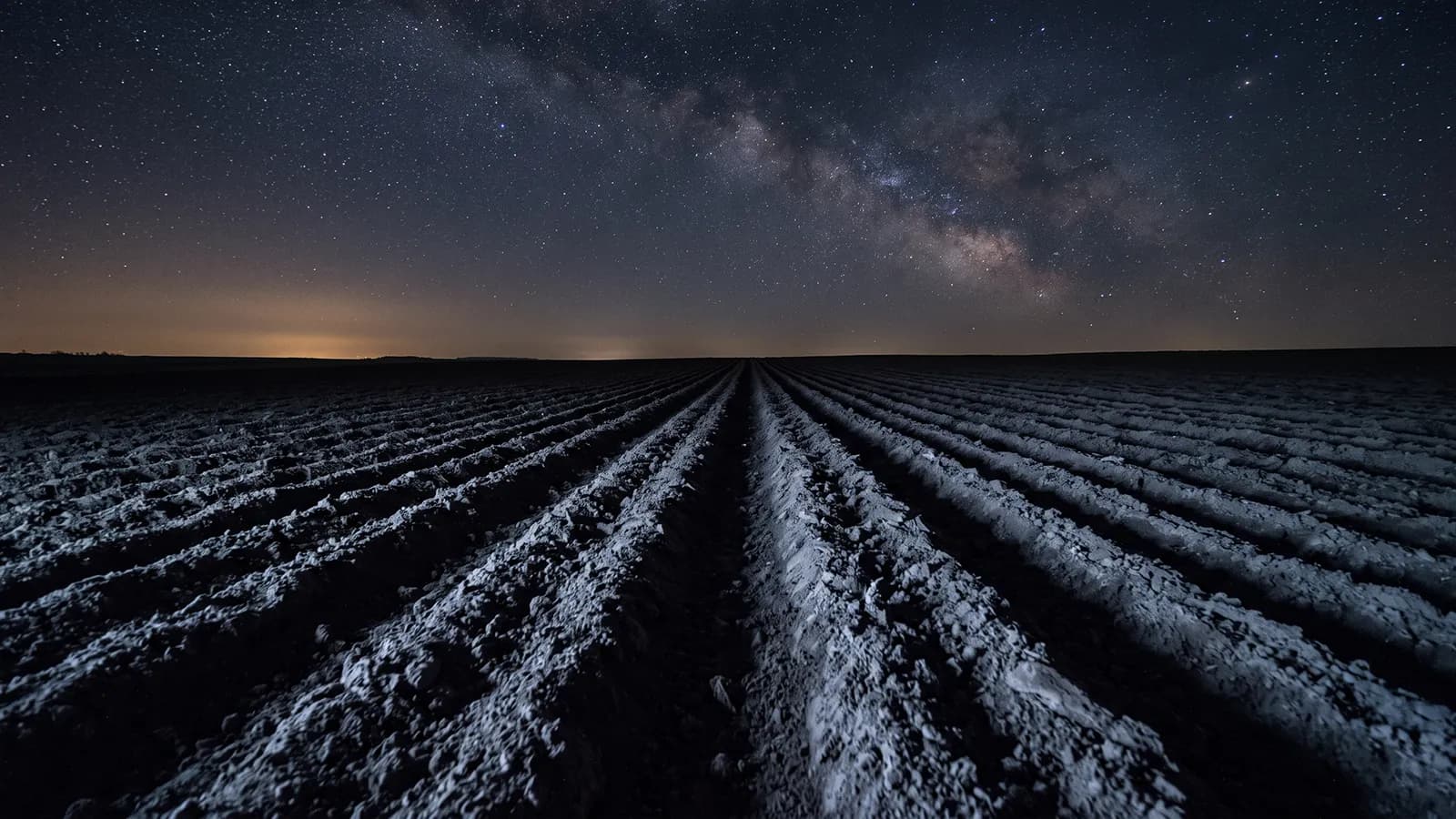
Energy: begin again, sow, turn inward
The fertile void. Barely visible, very powerful.
The New Moon is a phase of silence. It can give the impression of “nothing”, but in reality everything is getting ready.
- a need for calm / withdrawal
- mental fatigue or a desire to slow down
- sharper intuition
- a need for inner clarity
Wanting immediate results. The New Moon is not a phase of “feats”: it's a phase of preparation.
- write 1 intention (just one) clearly
- take a minimal action (a micro-step)
- tidy up / simplify (space = energy)
4) The Full Moon 🌕
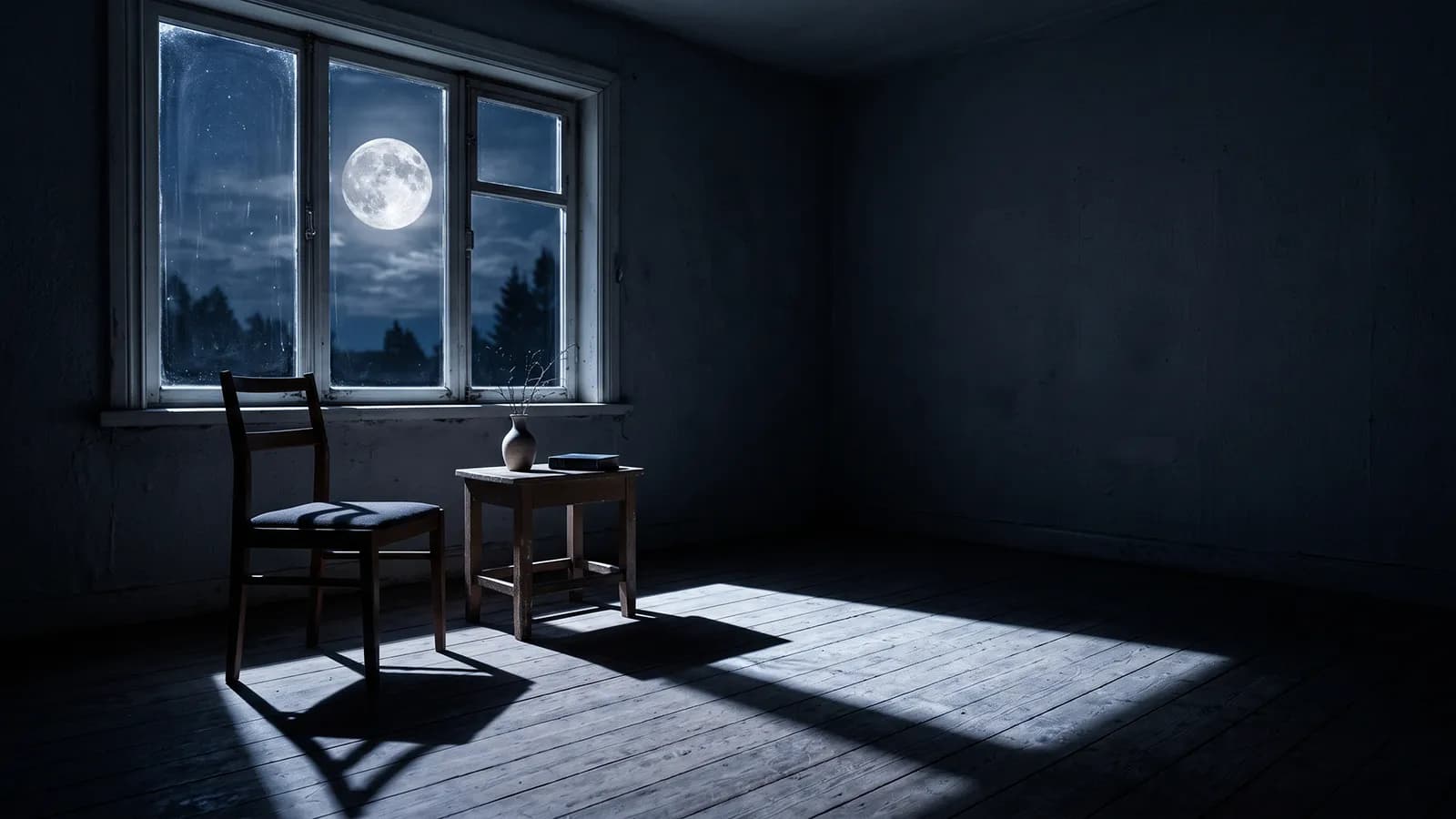
Energy: revelation, intensity, culmination
Emotional amplifier. Everything becomes visible.
The Full Moon brings to light what you were avoiding. It acts like a spotlight: emotions, tensions, truths, needs.
- amplified emotions / impatience
- lighter sleep, intense dreams
- quick realizations
- conflicts that erupt if they were brewing
The Full Moon doesn't “create” the chaos. It reveals what is already there — and pushes you to look.
- write down what you no longer want to carry
- have an honest conversation (without aggression) — synastry can help to understand the tensions
- cut out a habit that drains you
5) New Moon vs Full Moon (the real difference)
If you don't know what to do: New Moon = I choose. Full Moon = I release.
6) Why do we feel “strange” during Full Moons?
Because the Moon amplifies your system
Sleep, emotions, reactivity… it shows up fast.
Many people notice it: restlessness, lighter sleep, hypersensitivity, irritability… The Full Moon acts like an amplifier.
The key point: it doesn't “create” a problem, it turns up the volume of what was already there.
Instead of fighting against the emotion, ask yourself: “What is this trying to show me?”
7) How to use the lunar cycles in real life
New Moon: intention (1 sentence)
No need for a complicated ritual. Write a clear intention:
- “I want to break out of a relationship pattern.”
- “I take care of my body.”
- “I launch this project without overloading myself.”
Add a micro-step (10 minutes max): that's what anchors it.
Full Moon: release (sorting + truth)
The Full Moon is perfect for “unloading” without violence:
- write down what you're letting go of (fear, mental load)
- cut out a habit that exhausts you
- express an unspoken truth (calmly, clearly)
The goal: declutter your energy.
Over-ritualizing to avoid taking action. Astrology (and reading the aspects) helps when it makes you more lucid, not when it freezes you.
8) The real secret of the lunar cycles in astrology
The Moon doesn't decide for you. It shows you a rhythm — follow your transits to see it in action.
If you resist: tension. If you listen: transformation.
The Moon teaches you that life isn't linear (as a conjunction shows): it's cyclical. And so are you.
9) Summary: full moon and new moon in brief
Essence
Emotional cycle
New Moon = intention. Full Moon = revelation / release. Discover the Lunarian profile.
Risk
Reactivity
Fatigue, conflicts, emotional overload if you force it. Also read the strengths and weaknesses of the 12 signs.
Lever
Awareness
Observe → choose → release. The cycle becomes a tool. Consult the astrology dictionary to dig deeper.
Frequently asked questions about the lunar cycles
What is the difference between the New Moon and the Full Moon?
The New Moon is a phase of introspection and intention. The Full Moon is a phase of revelation and release. Together, they form a 29-day cycle.
Why do we feel strange during the Full Moon?
The Full Moon acts as an emotional amplifier: lighter sleep, hypersensitivity, irritability. It doesn't create the problem, it turns up the volume of what was already there.
How do you use the lunar cycles day to day?
At the New Moon, write a clear intention and take one concrete micro-step. At the Full Moon, release what weighs on you: a habit, an unspoken truth, mental load.
Does the Moon really influence emotions?
In astrology, the Moon represents the inner climate: deep emotions, instinctive reactivity, the need for security. The lunar phases offer a natural rhythm for observing and channeling your emotions.
Keep reading
Discover love and fidelity by sign or explore Venus in signs to round out your understanding of emotions and love.