Chargement…
Personal planet
VenusSymbolism & influence in astrology

Family
Personal planet
Revolution
225 days
Domicile
Taurus, Libra
Definition
In astrology, Venus is a personal planet planet whose symbolic function is linked to To attract, to connect, to harmonise, to appreciate, to love, to create bonds, to recognise value and to seek what brings joy, beauty or accord.. Its domicile is in Taurus, Libra.
Venus in astrology is much more than a mere celestial body in your natal chart. What is its essential function? How do you interpret it in each sign and each house? This encyclopedic guide to Venus gives you the keys to understanding its symbolism, its major aspects and its concrete influence in your life.
What is the archetype of Venus in astrology?
"Venus represents love, attraction, pleasure, relationship, taste, value and the capacity to create harmony. In astrology, it symbolises the way of loving, seducing, receiving, appreciating and entering into an agreeable relationship with the world."
Symbol
The rose, the mirror, the garden
Principle
Attraction, pleasure, bond, value
Polarity
Feminine
Element
Air and Earth
Quality
Cardinal (via Libra) / Fixed (via Taurus)
Domicile
Taurus, Libra
Exaltation
Pisces
Exile
Scorpio, Aries
Fall
Virgo
The logic of dignities
In Taurus, Venus is at home in its dimension of simple pleasure, sensuality, peace, comfort and attachment to what nourishes agreeably.
In Libra, Venus is at home in its relational function: it seeks accord, harmony, elegance and the quality of the bond.
In Pisces (exaltation), Venus gains in gentleness, compassion, receptivity and an ideal of love that is vaster, more subtle or more inspired.
In Aries (exile), the logic of direct assertion can clash with the search for accord, gentleness and reciprocity proper to Venus.
In Scorpio (exile), the Venusian bond becomes more intense, more fusional, more crossed by possession, fears or power struggles.
In Virgo (fall), the spontaneity of pleasure and welcome can be held back by analysis, restraint, sorting or the need for perfection.
Genesis and origins of Venus
Venus represents the function of attraction in the natal chart. It does not speak of the deep will nor of the mental structure, but of the way being loves, appreciates, desires gentleness and enters into relationship with what it finds beautiful, good or precious.
It describes taste, aesthetic sensitivity, affective style, the way of seducing, of welcoming, of receiving and of creating harmony.
It is linked to relationship, pleasure, value, sensuality, charm, the quality of the bond and the capacity to recognise what truly matters.
In a traditional perspective, Venus symbolises love, beauty, art, pleasantness, concord, gentle fertility and shared pleasure.
In a modern perspective, it represents the system of affective value, the quality of the bond, relational self-esteem and the way of experiencing the desire for accord with the world.
Venus and the human psyche: strengths and shadows
Low level
- Need to be loved at all costs
- Affective dependence
- Excessive search for validation
- Avoidance of conflict for fear of losing the bond
Middle level
- Need for love and reciprocity
- Search for pleasure and gentleness
- Sensitivity to beauty and accord
- Capacity to enter into relationship
High level
- Quality of affective presence
- Fitting taste
- Sense of harmony
- Capacity to love without possessing
- Deep relational value
Strengths and potentials
- Charm
- Sense of harmony
- Gentleness
- Relational quality
- Taste
Shadow zones
- Affective dependence
- Complacency
- Excessive search for validation
- Defensive seduction
- Difficulty setting limits
Alignment
- Loves with accuracy
- Creates a bond without losing itself
- Values without artificial flattery
- Savours beauty with simplicity
In excess
- Constantly seeks to please
- Avoids all tension
- Becomes dependent on the affective gaze
- Confuses love, comfort and validation
In deficit
- Difficulty receiving
- Apparent relational coldness
- Fear of opening up affectively
- Tense relationship to pleasure or value
Venus, the father and authority
The father and authority
- Venus does not first represent authority, but rather the way of experiencing relationship, reciprocity, accord or disaccord within the bond.
- It shows how being seeks to be loved, recognised, appreciated or chosen.
- It also indicates the way of creating harmony, of seducing or of softening tensions.
In daily life
In daily life
- Venus manifests in the way of loving, pleasing and receiving.
- It appears in taste, affective choices, relational style and sensitivity to atmosphere.
- It is seen in the way of seeking pleasantness, peace, gentleness or comfort.
- It influences the way of entering into a bond, of valuing others and of recognising what feels good.
In which areas of life does Venus act?
How the body activates the great areas of life.
Body
- Throat
- Kidneys
- Skin
- Venous system
Social
- Artists
- Lovers
- Diplomats
- Conciliatory or seductive people
Love
- Reciprocity
- Tenderness
- Shared pleasure
- Search for relational quality
Work
- Art
- Aesthetics
- Client relations
- Mediation and harmony
Value
- Self-esteem
- Affective choices
- Relationship to what is precious
- Capacity to recognise quality
Pleasure
- Sensuality
- Comfort
- Taste
- The pleasantness of living
Spiritual
- Subtle beauty
- Gentle devotion
- Inner accord
- Capacity to love without violence
Venus strong, weak or afflicted: what differences?
The body strong
- Quality of attachment
- Natural charm
- Sense of harmony
- Capacity to create a fitting bond
The body weak
- Difficulty receiving
- Affective insecurity
- Lack of taste or of relational confidence
- Restraint in the expression of love
The body afflicted
- Complicated relationships
- Affective dependence
- Tensions around pleasure or value
- Ambiguous relationships to love and attachment
Venus in the 12 signs of the zodiac
The influence of the body across the twelve signs.

aries
Direct and impulsive love"Venus in Aries loves fast, desires fast and enters into the bond with spontaneity. In exile, it may lose part of its natural gentleness there in favour of impulse, challenge or immediate assertion."
Strengths
- Affective sincerity
- Boldness
- Relational vitality
- Capacity for initiative
Challenges
- Impatience
- Affective egocentrism
- Difficulty pausing
- Tendency to confuse desire and love
Manifestations
- A taste for love at first sight
- Rapid attraction
- Frank and spontaneous affective style
- Need for momentum in the relationship

taurus
Sensual and stable love"Venus in Taurus acts in one of its natural domiciles. There it seeks peace, sensuality, continuity, simple pleasure and affective fidelity."
Strengths
- Loyalty
- Sensuality
- Stability
- Capacity to appreciate
Challenges
- Possessiveness
- Excessive attachment
- Difficulty changing
- Confusion between security and love
Manifestations
- Need for concrete gentleness
- Search for affective stability
- A taste for shared comfort
- Strong attachment to what reassures
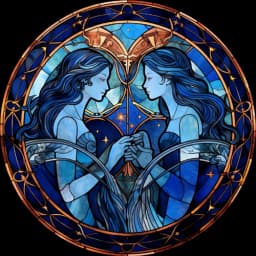
gemini
Light and communicative love"Venus in Gemini loves through exchange, curiosity, play, speech and mental stimulation. The bond passes a great deal through intelligence and mobility."
Strengths
- Verbal charm
- Suppleness
- Lightness
- Affective curiosity
Challenges
- Instability
- Difficulty going deep
- Volatility
- Need for constant stimulation
Manifestations
- Need for amorous dialogue
- A taste for relational variety
- Seduction through speech
- Attraction to lively minds

cancer
Tender and protective love"Venus in Cancer loves with gentleness, attachment, modesty and a need for affective security. The bond is nourishing, sensitive, protective and often strongly marked by the need for an emotional home."
Strengths
- Gentleness
- Empathy
- Affective loyalty
- Capacity to take care
Challenges
- Touchiness
- Dependence on the affective climate
- Withdrawal
- Fear of abandonment
Manifestations
- Need for tenderness
- Search for affective security
- Deep attachment
- Enveloping affective style

leo
Warm and radiant love"Venus in Leo loves with generosity, panache, pride and intensity of heart. The bond becomes a place of radiance, loyalty and visible affective expression."
Strengths
- Generosity
- Charm
- Presence
- Pride in the bond
Challenges
- Need for admiration
- Wounded pride
- Dramatisation
- Difficulty experiencing a discreet bond
Manifestations
- Need for affective valuing
- Generosity in love
- A taste for the grand gesture
- Warm relational presence

virgo
Restrained and attentive love"Venus in Virgo is in traditional fall. It loves with modesty, precision, service and attention to detail, but may have trouble simply letting itself go to the affective impulse."
Strengths
- Attentiveness
- Reliability
- Delicacy
- Sense of care
Challenges
- Affective restraint
- Relational perfectionism
- Self-criticism
- Difficulty savouring without analysing
Manifestations
- Need for reliability
- Discreet affective expression
- Love shown through useful deeds
- Search for coherence and quality
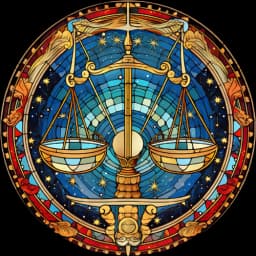
libra
Harmonious and relational love"Venus in Libra acts in its other domicile. There it seeks accord, beauty, elegance of the bond, reciprocity and the quality of the relationship."
Strengths
- Diplomacy
- Charm
- Relational intelligence
- Search for accord
Challenges
- Dependence on the bond
- Difficulty deciding
- Avoidance of conflict
- Need for relational validation
Manifestations
- A taste for the balanced bond
- Sense of relationship
- Search for affective elegance
- Need for harmony and dialogue

scorpio
Intense and fusional love"Venus in Scorpio is in exile. It loves deeply, intensely, with a strong emotional charge, but can also collide with the stakes of possession, fear, control or fusion."
Strengths
- Depth
- Power of the bond
- Intense loyalty
- Capacity for transformation
Challenges
- Jealousy
- Possession
- Fear of betrayal
- Amorous power struggles
Manifestations
- Need for affective intensity
- Search for truth in the bond
- Powerful attachment
- Magnetic amorous style

sagittarius
Open and enthusiastic love"Venus in Sagittarius loves with momentum, generosity, frankness and a taste for the horizon. It seeks a living, stimulating, inspiring and non-stifling bond."
Strengths
- Generosity
- Enthusiasm
- Openness
- Affective frankness
Challenges
- Difficulty with emotional heaviness
- Need for freedom that is too defensive
- Instability
- Tendency to promise more than to keep
Manifestations
- Need for space in the relationship
- A taste for affective adventure
- Attraction to openness and meaning
- Warm and free affective style

capricorn
Serious and controlled love"Venus in Capricorn loves with restraint, demands, depth of time and a need for solidity. It seeks lasting quality rather than immediate momentum."
Strengths
- Faithfulness
- Solidity
- Seriousness
- Capacity for commitment
Challenges
- Excessive restraint
- Difficulty relaxing
- Fear of depending affectively
- A sometimes too closed style
Manifestations
- Affective reserve
- Search for lasting stability
- Need for reliability
- More sober expression of attachment

aquarius
Free and singular love"Venus in Aquarius loves through freedom, friendship, originality and breathing room within the bond. It often seeks an unconventional or more airy affective relationship."
Strengths
- Inner freedom
- Openness
- Relational modernity
- Capacity to love differently
Challenges
- Affective distance
- Difficulty entering simple warmth
- Defensive need for detachment
- A bond sometimes too mentalised
Manifestations
- Need for relational space
- Attraction to originality
- A bond nourished by friendship
- Less possessive affective style

pisces
Inspired and compassionate love"Venus in Pisces is exalted. There it loves with gentleness, receptivity, sensitivity, compassion and a quality of subtle fusion. Love becomes more inspired, vaster, sometimes more ideal."
Strengths
- Tenderness
- Affective inspiration
- Compassion
- Relational delicacy
Challenges
- Idealisation
- Vagueness in limits
- Excessive sacrifice
- Difficulty discerning clearly
Manifestations
- Great affective receptivity
- Need for deep gentleness
- Tendency to idealise love
- Capacity to love with compassion
Venus in the 12 astrological houses
The theatres of life where the body manifests.
House 1
Venus in the First House
"Venus in the First House makes charm visible. The person enters into relationship with gentleness, seduction, a sense of pleasantness or a quality of harmonious presence."
Potentials
- Charm
- Sociability
- Capacity for attraction
Shadow points
- Need for validation
- Excessive importance of image
- Tendency to seek accord too much
Manifestations
- Agreeable presence
- A taste for pleasing
- Immediate relational style
- A softened or seductive image
House 2
Venus in the Second House
"Venus in the Second House links love, value, pleasure and resources. It seeks to build the stable, the comfortable and the precious."
Potentials
- Taste
- Sense of values
- Capacity to attract the agreeable
Shadow points
- Attachment
- Excessive search for comfort
- Confusion between value and possession
Manifestations
- A taste for comfort
- Sense of concrete beauty
- Need for affective and material security
- A fine relationship to value
House 3
Venus in the Third House
"Venus in the Third House loves through speech, the close bond, the lightness of exchanges and the pleasure of communicating."
Potentials
- Elegance of communication
- Sociability
- Relational suppleness
Shadow points
- Superficiality
- Need for constant stimulation
- Difficulty going deep
Manifestations
- Verbal charm
- A taste for dialogue
- Seduction through the mind
- Need for fluidity in exchange
House 4
Venus in the Fourth House
"Venus in the Fourth House seeks harmony in the intimate, the home, the roots and deep affective security."
Potentials
- Sense of home
- Intimate gentleness
- Quality of the affective cocoon
Shadow points
- Dependence on the family climate
- Attachment to emotional comfort
- Difficulty leaving the refuge
Manifestations
- Need for gentleness at home
- Attachment to intimacy
- Search for a protective climate
- Importance of inner peace
House 5
Venus in the Fifth House
"Venus in the Fifth House loves with joy, creativity, a desire to please and a need to express the heart. The pleasure of loving and being loved becomes central there."
Potentials
- Charm
- Creativity
- Warmth
- Affective radiance
Shadow points
- Need for attention
- Dramatisation
- Dependence on affective response
Manifestations
- A taste for seducing
- Joy in the amorous bond
- Creative affective expression
- Pleasure of the relational game
House 6
Venus in the Sixth House
"Venus in the Sixth House seeks harmony in daily life, service, care and useful gestures. It often loves through concrete attentiveness."
Potentials
- Attentiveness
- Delicacy
- Sense of care
Shadow points
- Affective perfectionism
- Restraint
- Difficulty simply letting go
Manifestations
- Love shown through services rendered
- Need for a peaceful daily life
- A taste for agreeable order
- Search for rightness in the details
House 7
Venus in the Seventh House
"Venus in the Seventh House is particularly coherent with its symbolism: relationship, accord, the couple, reciprocity and the chosen bond become central."
Potentials
- Diplomacy
- Capacity for partnership
- A taste for the harmonious bond
Shadow points
- Relational dependence
- Fear of disharmony
- Difficulty existing outside the bond
Manifestations
- Strong need for relationship
- Search for a balanced bond
- Sense of the couple
- Will to live accord
House 8
Venus in the Eighth House
"Venus in the Eighth House intensifies the relationship to love, desire, attachment, fusion and the stakes of relational depth."
Potentials
- Depth
- Capacity for transformation
- Power of attachment
Shadow points
- Jealousy
- Defensive fusion
- Amorous power struggles
Manifestations
- Need for intensity in the bond
- Deep attachment
- Strong relationship to desire
- Search for affective truth
House 9
Venus in the Ninth House
"Venus in the Ninth House loves openness, meaning, the elsewhere, inspiration and the bonds that broaden the horizon."
Potentials
- Generosity
- Openness
- Relational inspiration
Shadow points
- Difficulty tolerating narrowness
- Idealisation
- Need to flee affective heaviness
Manifestations
- Attraction to openness and vision
- Need for affective space
- A taste for beauty that elevates
- A bond nourished by a quest for meaning
House 10
Venus in the Tenth House
"Venus in the Tenth House makes charm, taste, diplomacy or relational quality visible in the social and professional sphere."
Potentials
- Social diplomacy
- Public charm
- Relational professional value
Shadow points
- Need for social validation
- Confusion between image and real value
- Tendency to smooth things over too much
Manifestations
- An agreeable social image
- Sense of relationship in the career
- A taste for elegant recognition
- Capacity to create accord publicly
House 11
Venus in the Eleventh House
"Venus in the Eleventh House loves through friendship, elective affinities, common projects and the pleasure of belonging to a chosen collective."
Potentials
- Sociability
- Fine affinities
- Capacity for collective bond
Shadow points
- Difficulty distinguishing love from friendship
- Need for the group's approval
- A bond sometimes too mentalised
Manifestations
- A taste for chosen affinities
- A link between love and friendship
- Pleasure of sharing ideals
- Relational quality within the group
House 12
Venus in the Twelfth House
"Venus in the Twelfth House gives a more secret, subtle, inner or idealised affective life. Love there often takes on an invisible, silent or sacrificial dimension."
Potentials
- Delicacy
- Compassion
- Subtle love
- Inner depth
Shadow points
- Idealisation
- Affective sacrifice
- Vagueness in limits
- Difficulty living the bond openly
Manifestations
- Discreet affectivity
- Rich inner amorous life
- Great subtle receptivity
- Tendency to love in silence or restraint
The aspects of Venus to the other planets


Venus – Sun
The Venus–Sun relationship speaks of the articulation between identity, love, value, charm and pleasure.
Conjunction
Venus conjunct the Sun often gives charm, a need to love and be loved, a taste for the beautiful and the importance of the bond within identity.
Sextile
Venus sextile Sun favours a harmonious expression of self, sociability and relational quality.
Square
Venus square Sun can create a tension between the desire to please and the truth of the personal centre.
Trine
Venus trine Sun gives gentleness, radiance, grace and ease in creating an agreeable bond.
Opposition
Venus opposed Sun can place self-esteem and affective validation in tension.

Venus – Moon
The Venus–Moon relationship speaks of tenderness, affective security, gentleness, relational pleasure and emotional climate.
Conjunction
Venus conjunct the Moon reinforces the need for love, gentleness, accord and affective security.
Sextile
Venus sextile Moon favours relational warmth and fluidity between feeling and affection.
Square
Venus square Moon can produce tensions between pleasure, affective need and the way of loving.
Trine
Venus trine Moon gives gentleness, charm, receptivity and quality of attachment.
Opposition
Venus opposed Moon can create a gap between emotional need and relational style.

Venus – Mercury
The Venus–Mercury relationship speaks of taste, speech, verbal charm, diplomacy and the intelligence of the bond.
Conjunction
Venus conjunct Mercury gives mental elegance, a taste for agreeable exchange and relational finesse.
Sextile
Venus sextile Mercury favours gentle, diplomatic and seductive communication.
Square
Venus square Mercury can create a tension between mental truth and the need for harmony.
Trine
Venus trine Mercury gives verbal fluidity, charm, taste and relational sense.
Opposition
Venus opposed Mercury can place logical thought and affective expectations in tension.

Venus – Mars
The Venus–Mars relationship speaks of the link between attraction and desire, gentleness and drive, relationship and intensity of action.
Conjunction
Venus conjunct Mars intensifies attraction, desire and the power of the affective or carnal bond.
Sextile
Venus sextile Mars favours accord between desire, initiative and relational quality.
Square
Venus square Mars can create tensions between love and desire, accord and drive, gentleness and conflict.
Trine
Venus trine Mars gives charm, relational energy and a good articulation between loving and desiring.
Opposition
Venus opposed Mars can stage a polarity between the need for accord and the power of desire.

Venus – Jupiter
The Venus–Jupiter relationship speaks of affective abundance, generosity, pleasure, the joy of living and sometimes relational excess.
Conjunction
Venus conjunct Jupiter amplifies charm, generosity, sociability and a taste for pleasure.
Sextile
Venus sextile Jupiter favours the opening of the heart, relational quality and a certain affective luck.
Square
Venus square Jupiter can accentuate excesses of pleasure, expectation or complacency.
Trine
Venus trine Jupiter gives warmth, generosity, relational amplitude and the joy of loving.
Opposition
Venus opposed Jupiter can create a tension between measure and abundance in love or pleasure.

Venus – Saturn
The Venus–Saturn relationship speaks of affective restraint, depth, commitment, faithfulness but also the fear of lack or rejection.
Conjunction
Venus conjunct Saturn gives affective seriousness, a need for solidity and sometimes restraint in the expression of love.
Sextile
Venus sextile Saturn helps to build stable, sober and lasting bonds.
Square
Venus square Saturn can create a fear of loving, affective inhibition, difficulty receiving or a feeling of lack.
Trine
Venus trine Saturn gives faithfulness, steadiness, depth and quality of commitment.
Opposition
Venus opposed Saturn can place the need for love and the fear of depending or being rejected in tension.

Venus – Uranus
The Venus–Uranus relationship speaks of affective freedom, sudden attractions, relational originality and the need for space within the bond.
Conjunction
Venus conjunct Uranus accentuates affective independence, originality of taste and lightning-quick attractions.
Sextile
Venus sextile Uranus favours a living, free, inventive and unconventional bond.
Square
Venus square Uranus can make bonds unstable, abrupt, unpredictable or hard to secure.
Trine
Venus trine Uranus gives freedom to love, relational freshness and a capacity to live the bond differently.
Opposition
Venus opposed Uranus can place the need for accord and the need for rupture or air in tension.

Venus – Neptune
The Venus–Neptune relationship speaks of amorous ideal, delicacy, compassion, subtle beauty, but also possible vagueness in the bond.
Conjunction
Venus conjunct Neptune gives affective ideal, delicacy, aesthetic sensitivity and a strong capacity for idealisation.
Sextile
Venus sextile Neptune favours gentleness, the poetry of the bond, compassion and affective inspiration.
Square
Venus square Neptune can create amorous confusion, projection, disillusion or difficulty seeing clearly.
Trine
Venus trine Neptune gives grace, inspiration, tenderness and relational finesse.
Opposition
Venus opposed Neptune can place real love and the affective ideal in tension.

Venus – Pluto
The Venus–Pluto relationship speaks of intensity of the bond, deep desire, affective transformation, power and powerful attachment.
Conjunction
Venus conjunct Pluto gives a strong power of attraction, a deep bond and great affective intensity.
Sextile
Venus sextile Pluto favours a constructive relational depth and great lucidity within the bond.
Square
Venus square Pluto can produce jealousy, control, power struggles or deep affective crises.
Trine
Venus trine Pluto gives fitting intensity, depth, magnetism and a capacity for affective regeneration.
Opposition
Venus opposed Pluto can stage stakes of power, dependence or major transformation within the bond.
Frequently asked questions about Venus in astrology
What does Venus represent in astrology?+
Venus is the personal planet of love, attraction, pleasure and harmony. Its keyword is "To love". It symbolises the way of loving, seducing and appreciating beauty.
Does Venus determine one's love life?+
Venus describes the affective style, the tastes and the way of entering into relationship. It does not determine romantic events but indicates how the person loves, attracts and creates bonds.
What is the domicile of Venus?+
Venus has two domiciles: Taurus, where it expresses sensuality and a taste for concrete pleasures, and Libra, where it manifests the sense of harmony, of the bond and of aesthetics.
How to interpret Venus in a natal chart?+
Venus in a sign reveals the amorous style and the values. In a house, it shows the area where one seeks harmony. Its aspects indicate the ease or the challenges in relationships.
Is Venus linked to money in astrology?+
Yes, Venus is associated with values, including material ones. It governs what one esteems, what one possesses and the way of managing one's resources. Taurus, its domicile, reinforces this link.